 Listicle
7 Professional Attic Insulation Contractors: What to Know
Last Updated: October 25, 2026
Quick Summary
Professional attic insulation contractors inspect your attic before quoting, carry insurance, employ trained crews, and put a written scope of work in writing. They differ from lead generators, who simply sell your contact information to the highest bidder. Compare every bid on the same line items, including removal, air sealing, and baffles.
- The attic insulation industry generated an estimated $11.6 billion in revenue in 2026, according to IBISWorld.
- Blown-in fiberglass or cellulose typically runs roughly $1.50 to $3.50 per square foot installed.
- Air sealing is often $300 to $1,200 as a standalone add-on to an insulation job.
- Ask each bidder in writing whether removal, air sealing, and baffles are included or excluded.
- Any contractor who quotes a firm number before inspecting the attic is guessing.
Table of Contents
- What Separates Professional Attic Insulation Contractors From Lead Generators
- Attic Insulation Cost: What Drives Your Quote Up or Down
- How Much Insulation Do I Need in My Attic?
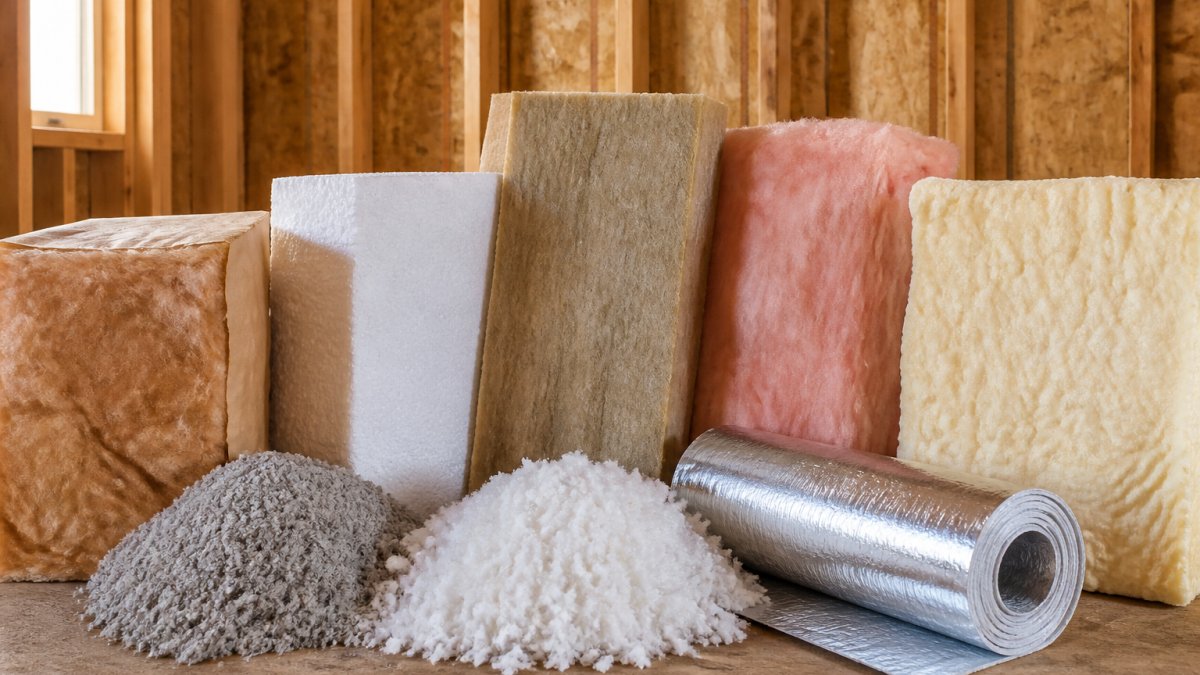
- Attic Insulation Installation: Blown-In, Loose-Fill, Cellulose, and Batt
- Attic Insulation Removal: When Old Material Has to Come Out First
- The Contractor Vetting Checklist: Certifications, Reviews, and Red Flags
- Apples-to-Apples Quote Comparison: What Every Estimate Should Include
- Get Your Attic Assessment and Straightforward Quote
- Frequently Asked Questions
What Separates Professional Attic Insulation Contractors From Lead Generators
The attic insulation industry generated an estimated $11.6 billion in revenue in 2026, according to IBISWorld's Insulation Contractors in the US Industry Analysis, which tells you plenty of companies want a slice of that spending. What it doesn't tell you is who will actually show up, do the work, and stand behind it. That gap matters when you're hiring professional attic insulation contractors for your home.
Here's the distinction that most homeowners learn the hard way: a lead generator sells your contact information to whoever pays for it, while a professional contractor employs trained crews, carries insurance, and puts a real scope of work in writing. At ThermTech Solutions, we've watched too many homeowners pay for a "free estimate" that was really a sales pitch with a markup attached.
Below, we'll show you exactly how to tell the two apart, what your quote should include, and how to compare bids line by line. But first, here's what most guides get wrong: they treat every quote as comparable when the scopes behind them rarely are.
Attic Insulation Cost: What Drives Your Quote Up or Down
Attic insulation cost depends on four variables: the square footage of your attic, the insulation material, how much prep work the space needs, and whether old material must come out first. Two homes on the same street can get quotes that differ by thousands because one attic is cluttered, damp, or packed with compressed material that has to be removed.
To make bids comparable, ask each contractor to break the quote into these line items. The ranges below are typical installed-cost bands that most practitioners report for residential attic floor work; they are not a quote and will vary by market, access, and scope.
| Line Item | What It Covers | Typical Installed Range (USD) |
|---|---|---|
| Blown-in fiberglass or cellulose | Material plus machine application to a target R-value | Roughly $1.50-$3.50 per sq ft |
| Batt insulation | Pre-cut rolls fitted around framing and obstructions | Roughly $2.00-$4.50 per sq ft |
| Air sealing | Sealing top plates, penetrations, and gaps before insulation | Often $300-$1,200 as a standalone add-on |
| Removal and disposal | Extracting old material, bagging, hauling, disposal fees | Roughly $1.50-$3.00 per sq ft |
| Baffles and ventilation | Eave baffles and roof-deck ventilation protection | Often $2-$5 per baffle plus labor |
| Minimum job charge | Truck roll, setup, and small-job premium | Commonly $500-$1,500 |
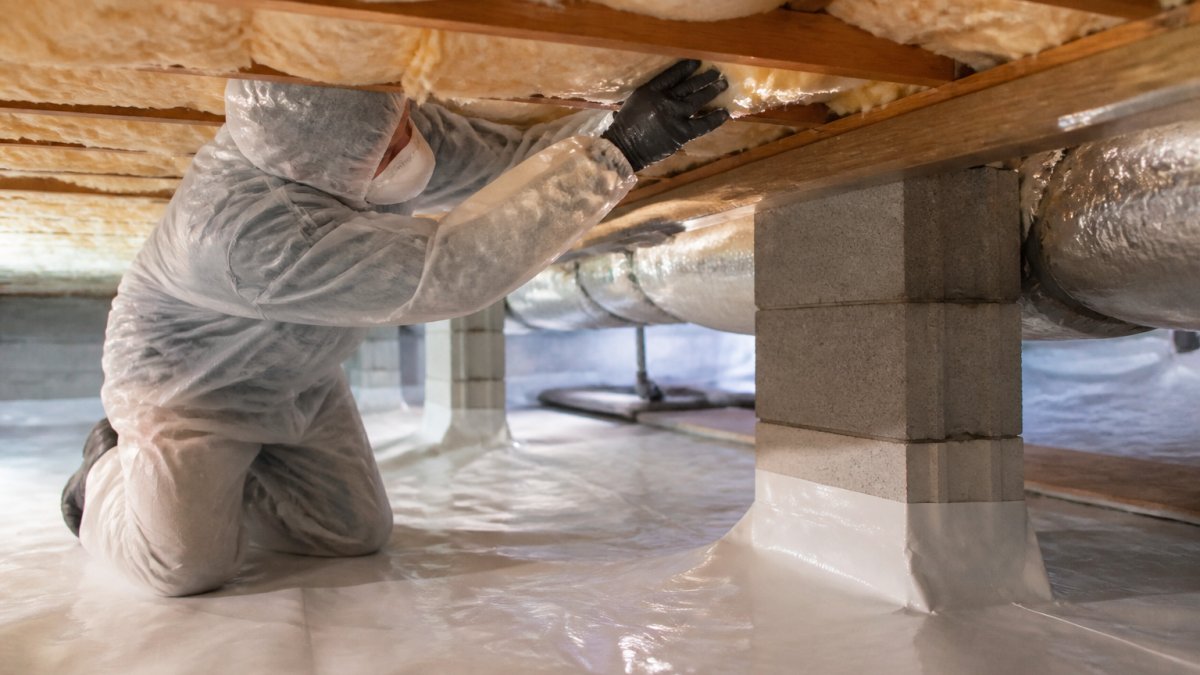
What pushes a quote up: removal of old material, air sealing before installation, baffles at the eaves, duct repair, and difficult access (low roof pitch, no walk-in entry, tight crawl spaces). What keeps it down: a clean, empty attic with good access and no moisture problems to address first.
Third-party cost guides offer rough starting points, but treat them as ballpark figures only. A cost calculator from Atticrawl and a cost guide from TLS Energy Savers both publish installed per-square-foot estimates for attic floor insulation, yet neither accounts for your specific access, obstructions, or removal needs. Use them to sanity-check a bid, not to set your budget.
How Much Insulation Do I Need in My Attic?
How much insulation you need depends on your climate zone and the R-value your attic currently has. The U.S. Department of Energy publishes recommended R-values by zone, and most attics in this region need more than what was installed when the house was built.
The practical way to find out: measure the depth of existing insulation and identify its material. Loose-fill cellulose and fiberglass settle over time, so an attic that once met code may now fall short. A professional attic assessment measures depth, checks for compression, and looks for gaps where air moves freely.
Air sealing belongs in this conversation because it changes how much insulation you need. Sealing gaps around light fixtures, top plates, and plumbing penetrations stops warm air from bypassing the insulation entirely. Our team handles air sealing and barrier work alongside insulation so the two actually work together.
Attic Insulation Installation: Blown-In, Loose-Fill, Cellulose, and Batt
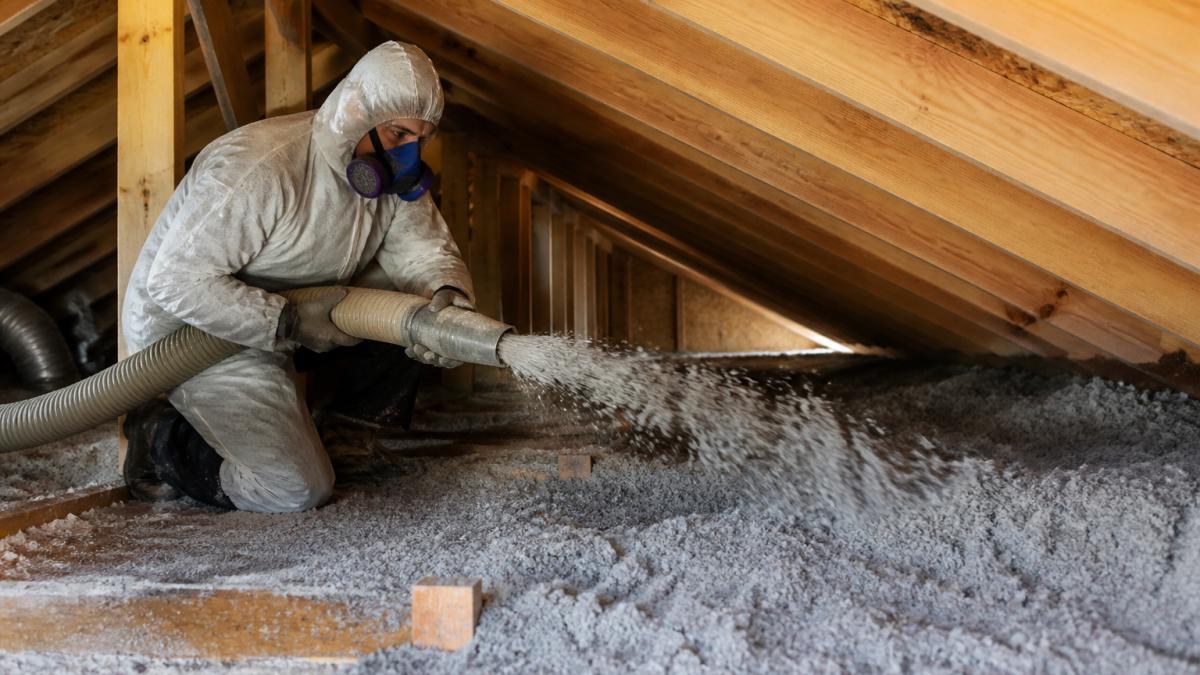
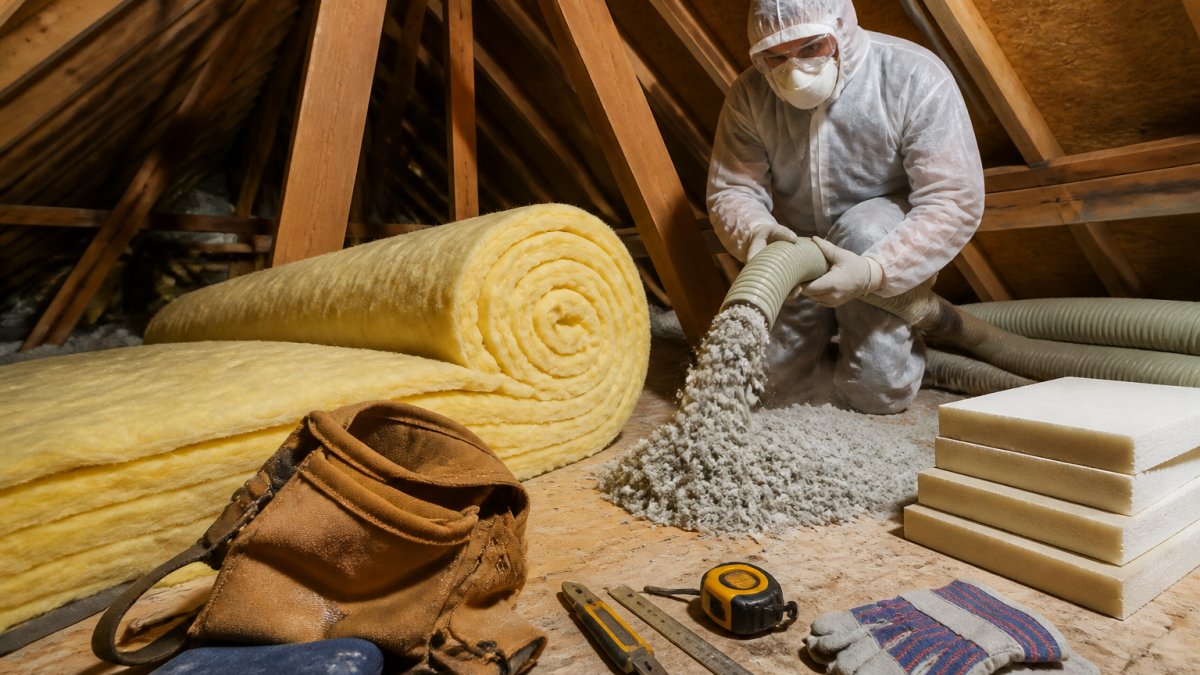
A common mistake is choosing material by price alone. Cellulose can settle over time, so it must be installed at the correct depth to hit its target R-value. Batts underperform when they aren't cut to fit around wiring and framing. If you're leaning toward blown-in cellulose, you can review our cellulose blow-in service and the attic insulation options we install before requesting a quote.
Attic Insulation Removal: When Old Material Has to Come Out First
Insulation removal is necessary when old material is wet, contaminated by pests, compressed beyond recovery, or hiding a moisture problem that new insulation would only mask. Removing it adds labor and disposal costs, which is why some quotes leave it out entirely and then surprise you mid-project.
Watch out: if a contractor proposes covering damp insulation with new material, walk away. Trapped moisture leads to mold and rot, and the new insulation loses performance fast. Removal also gives the crew a chance to inspect the roof deck, seal gaps, and fix ventilation before anything goes back in.
Ask every bidder one direct question: does this quote include removal and disposal, or not? Get the answer in writing.
The Contractor Vetting Checklist: Certifications, Reviews, and Red Flags
Vetting a contractor takes about 15 minutes and saves months of regret. The difference between a checklist that works and one that just looks thorough is verification: for each item, know where to check it, not just what to ask.
| What to Verify | How to Verify It | What a Red Flag Looks Like |
|---|---|---|
| General liability insurance | Request a certificate of insurance naming you as certificate holder; call the insurer to confirm it is active | "We'll send it after you sign" |
| Workers' compensation | Ask for the policy or state coverage confirmation | Crew treated as independent contractors with no coverage |
| License or registration | Look up the business on your state or local licensing board's public lookup | No physical address or license number on the estimate |
| Manufacturer certifications | Ask for the training certificate or installer designation in writing | Verbal claims with no documentation |
| Reviews | Read the lowest-rated reviews first for patterns (no-shows, callbacks, warranty disputes) | Only five-star reviews, all posted in the same week |
| References | Ask for two recent local jobs and call them | References from out of the area or "we'll get back to you" |
| Written warranty | Get the warranty terms in the contract, including labor and material coverage periods | Verbal-only warranty |
| Permits | Confirm in writing who pulls the permit if your jurisdiction requires one | "Permits aren't needed for insulation" without checking |
Red flags worth walking away from: pressure to sign today, cash-only payment demands, no physical address, estimates delivered without anyone entering the attic, and a scope that says "bring to code" without stating a target R-value.
Apples-to-Apples Quote Comparison: What Every Estimate Should Include
Comparing quotes only works when each one describes the same work. Line up your estimates side by side on these items:
| Estimate Item | Why It Matters | Red Flag If Missing |
|---|---|---|
| Square footage and target R-value | Defines the actual work | Vague "bring to code" language |
| Material type and brand | Drives performance and cost | Unnamed materials |
| Air sealing included? | Changes real-world results | Not mentioned at all |
| Removal and disposal | Major cost variable | Discovered later as an add-on |
| Ventilation and baffles | Protects roof deck | Skipped to lower the bid |
| Warranty terms | Shows confidence in the work | Verbal only |
| Payment schedule | Protects your cash | Large deposit upfront |
If one bid is dramatically lower, find out what it excludes before you celebrate. The cheapest quote often becomes the most expensive project.
Get Your Attic Assessment and Straightforward Quote
The real test of professional attic insulation contractors is simple: they inspect before they quote, they put the scope in writing, and they show up when they say they will. Everything else is marketing.
ThermTech Solutions offers same-day solutions, straightforward quotes with no gimmicks, and a trained, trusted, and certified team. We serve homeowners and property owners across the surrounding counties, so check our service area to confirm we cover your location, then contact our team to schedule your attic assessment.
Frequently Asked Questions
What is the average cost to insulate an attic?
Costs vary widely by attic size, material, and whether old insulation must be removed. Atticrawl's 2026 calculator puts the average attic insulation project at about $2,100, with a typical range of $1,700 to $2,500. TLS Energy Savers estimates standard attic-floor insulation at $1.50 to $3.00 per square foot installed, or $1,500 to $3,000 for a 1,000-square-foot attic. Treat these as budgeting benchmarks, not quotes. Ask professional attic insulation contractors for a written estimate based on your specific attic.
How do I choose a professional attic insulation contractor?
Start with proof of licensing and insurance, then ask what the crew will actually do: air sealing before installation, attic assessment, and a post-installation quality check. Read recent customer reviews and ask whether the company uses trained, certified installers or subcontracts the work. Get the scope in writing, including material type, R-value, and cleanup. A contractor who explains the plan clearly and puts it in the quote is a safer bet than one who only talks price.
Should I remove old attic insulation before adding new?
Not always. If the existing material is dry, intact, and not contaminated by pests or moisture, new insulation can often go on top. Attic insulation removal makes sense when the old material is compressed, water-damaged, moldy, or contains debris. Removal adds cost and time, so ask the contractor to show you why it is needed. A thorough attic assessment should include photos of the existing insulation so you can judge for yourself.
How long does attic insulation installation take?
Most residential attic insulation installation projects finish in a single day, especially blown-in or loose-fill jobs in an accessible attic. Removal and replacement of old material, air sealing, or crawlspace work can extend the timeline. Ask the contractor for a realistic window in the quote and confirm whether they offer same-day solutions. A crew that commits to a schedule in writing is easier to hold accountable than one that gives a vague 'a few days.'
What type of insulation is best for an attic?
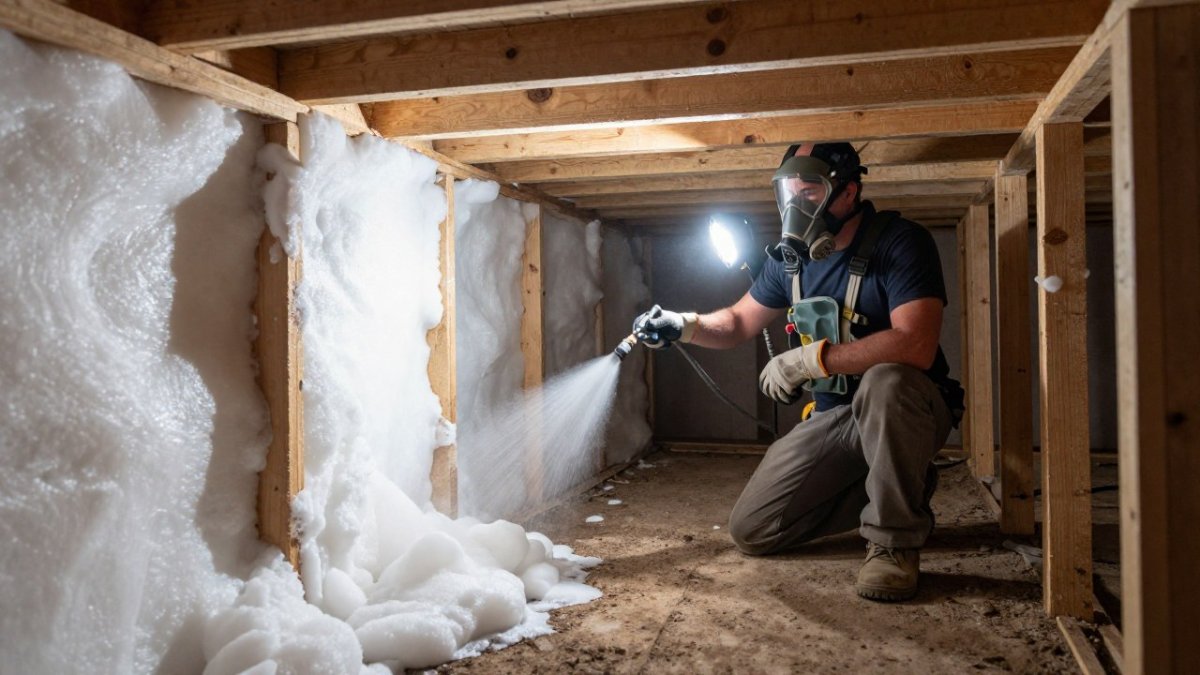
It depends on your attic and climate. Blown-in and loose-fill cellulose are common for flat attic floors because they fill gaps around joists and are cost-effective. Batt insulation works well in accessible, uniform spaces. Spray foam seals air leaks and is useful in hard-to-reach areas, though it costs more. The right choice depends on your attic assessment, existing insulation, and target R-value. Ask professional attic insulation contractors to explain the trade-offs for your home.
The challenge with attic insulation isn't finding someone willing to take your money. It's finding a contractor who inspects the space, explains the scope, and delivers what the quote promised. ThermTech Solutions built its work around transparency, honest pricing, and full accountability on every project. Get started with ThermTech Solutions and get an attic assessment with a quote you can actually compare.