 Comparison
How Much Does It Cost to Insulate a Crawlspace in 2026?
Last Updated: October 30, 2026
Quick Summary
Crawlspace insulation averages $3,550 for a 1,000-square-foot space in 2026, with a reported range of $2,600 to $16,900. That spread reflects scope: basic floor insulation runs $750 to $6,000, while full encapsulation runs $3,000 to $12,000 for the same footprint.
- Crawl-space insulation labor runs $2.50 to $4.50 per square foot, or $1,250 to $2,250 for 500 square feet.
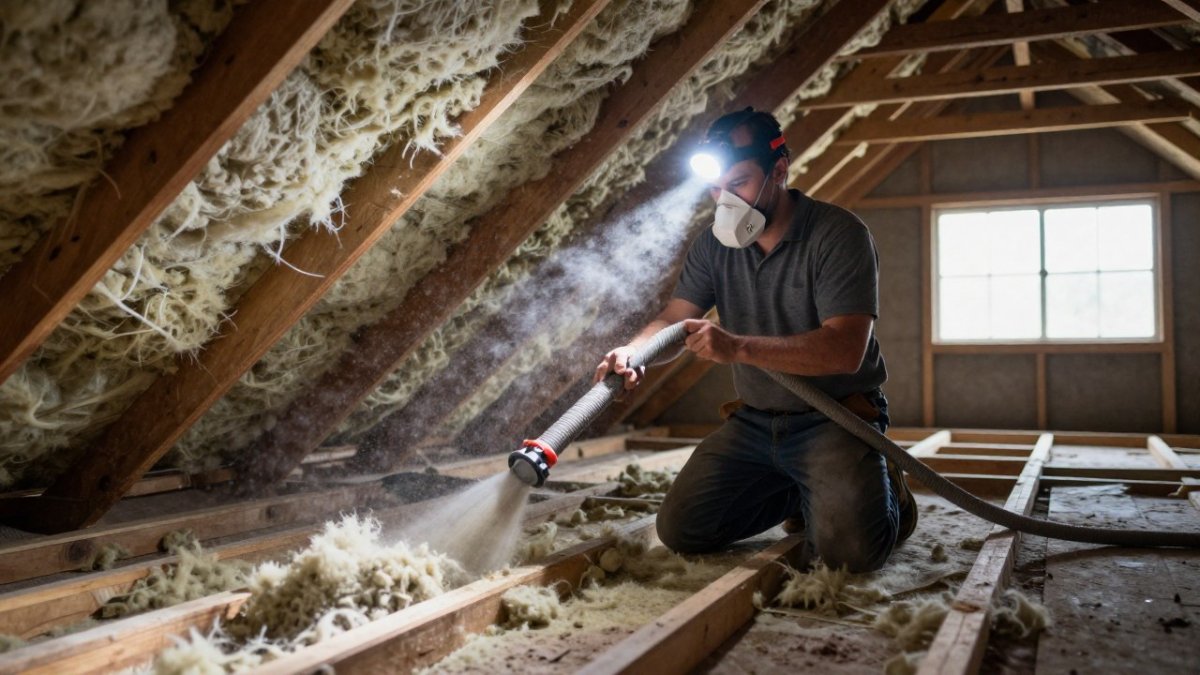
- Blown-in fiberglass costs roughly $1 to $2 per square foot installed.
- Spray foam projects are commonly quoted at $2,100 to $3,600 per project.
- Closed-cell spray foam and rigid foam board tolerate moisture better than fiberglass batts in damp crawlspaces.
- Compare bids line by line, confirming material, R-value, square footage, air sealing, and vapor barrier.
Table of Contents
- What Crawlspace Insulation Costs in 2026
- Crawlspace Encapsulation Cost 2026: What Changes the Number
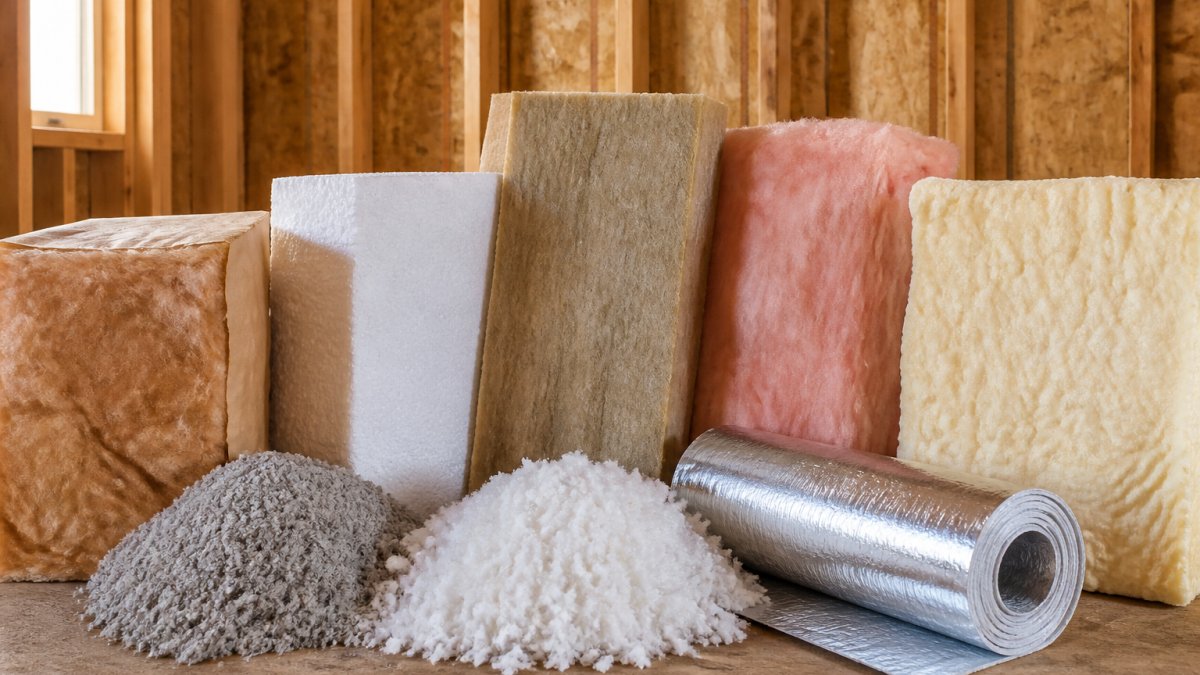
- Spray Foam vs Fiberglass vs Rigid Foam Board
- Best Insulation for Damp Crawlspaces
- R-Value Requirements for Crawlspaces
- Itemized Sample Estimates by Crawlspace Size
- Booking a Crawlspace Insulation Quote with ThermTech Solutions
- Frequently Asked Questions
What Crawlspace Insulation Costs in 2026
Most homeowners searching for the cost to insulate a crawlspace in 2026 run into the same problem: every quote they get tells a different story. At ThermTech Solutions, we see this confusion constantly, and it usually comes down to scope, not price gouging. According to Angi's crawl space insulation cost data, crawl-space insulation averages $3,550 for a 1,000-square-foot space, with a reported range of $2,600 to $16,900. That spread is enormous because "insulating a crawlspace" can mean anything from laying batts between joists to a full sealed encapsulation system.
The number that matters is the one tied to your specific crawlspace, not a national average.
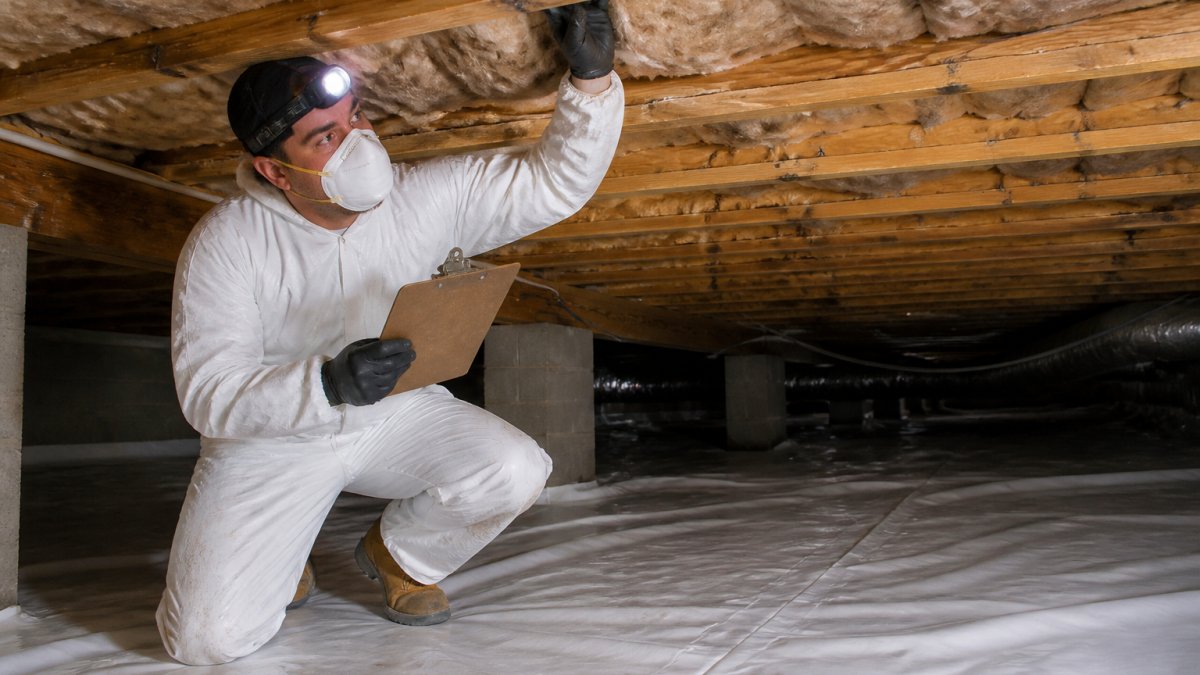
Cost Per Square Foot by Material
Per-square-foot pricing is the fairest way to compare bids, because it normalizes for home size. CountBricks' labor cost guide reports crawl-space insulation labor at $2.50 to $4.50 per square foot, which for a 500-square-foot project works out to $1,250 to $2,250 in labor alone. Material cost sits on top of that.
| Material | Typical Installed Cost per Sq Ft | Best For |
|---|---|---|
| Fiberglass batts | Lowest material tier | Budget floor insulation |
| Blown-in fiberglass | $1 to $2 per sq ft | Uneven joist bays |
| Spray foam | $2,100 to $3,600 per project | Air sealing plus insulation |
| Rigid foam board | Mid-range | Clean, dry crawlspaces |
Angi reports blown-in or loose-fill insulation at roughly $1 to $2 per square foot, or $1,000 to $2,000 for 1,000 square feet. Compare that to RetroFoam of Michigan's spray-foam range of $2,100 to $3,600 per project, and you can see why material choice swings the total more than anything else.
Crawlspace Encapsulation Cost 2026: What Changes the Number
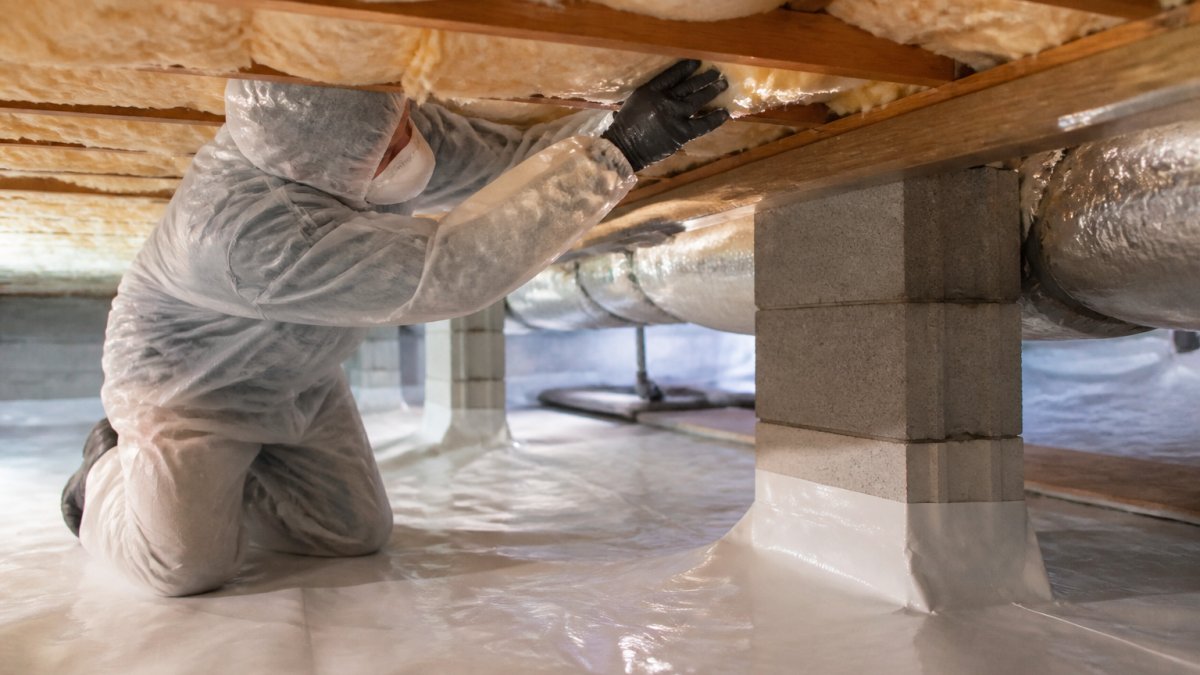
Encapsulation is a sealed system that goes beyond basic insulation and typically adds scope and cost. The Attic Genius cost comparison estimates basic floor insulation at $750 to $6,000 for a 1,000- to 1,500-square-foot crawlspace, while full encapsulation runs $3,000 to $12,000 for the same footprint.
If your crawlspace has standing water, active mold, or persistent humidity, insulation alone will not fix it, and moisture control may come first.
Spray Foam vs Fiberglass vs Rigid Foam Board
Choosing between materials involves trade-offs in air sealing, moisture tolerance, R-value, and upfront price.
| Material | Typical Installed Cost per Sq Ft | R-Value per Inch | Moisture Performance | Durability | Best-Suited Crawlspace Conditions |
|---|---|---|---|---|---|
| Fiberglass batts | Lowest material tier; labor often $2.50-$4.50/sq ft on top | About 3.1-4.3 | Poor when wet; loses R-value and can trap dampness against the subfloor | Moderate; can sag or compress | Dry, vented crawlspaces with intact joist bays and no active moisture |
| Blown-in fiberglass | Roughly $1-$2/sq ft installed | About 2.2-4.3 depending on density | Poor when wet; same limitations as batts | Moderate; settles over time | Uneven or irregular joist bays in dry, vented spaces |
| Open-cell spray foam | Mid-to-high; project pricing commonly quoted | About 3.5-3.8 | Tolerates damp air but is vapor-permeable and can hold water | Good adhesion; softer cell structure | Sealed crawlspaces where air sealing matters more than bulk R-value |
| Closed-cell spray foam | Highest material tier; project pricing commonly quoted | About 6.0-7.0 | Excellent; acts as a vapor retarder and resists bulk water | High; adds structural rigidity to rim joists | Damp or humid crawlspaces, rim joists, and sealed assemblies |
| Rigid foam board | Mid-range; priced per board and by labor | About 3.6-5.0 (polyiso) or 4.0-5.0 (XPS) | Good; resists moisture and installs cleanly against walls | Good when protected; can be damaged by pests | Clean, dry crawlspaces with straight walls and accessible surfaces |
Material choice involves trade-offs between air sealing, moisture tolerance, R-value, and upfront price. Confirm with your contractor which material fits your crawlspace conditions.
Best Insulation for Damp Crawlspaces
For a damp crawlspace, the best insulation is one paired with moisture control, not one chosen for R-value alone. Closed-cell spray foam and rigid foam board both tolerate moisture far better than fiberglass batts, which trap dampness against the subfloor.
A wet crawlspace often needs moisture control before insulation goes in. Talk with a qualified contractor about the right approach for your home.
R-Value Requirements for Crawlspaces
R-value requirements for crawlspaces depend on your climate zone and whether the space is vented or sealed. Local code officials enforce the adopted energy code for your area, so confirm the requirement that applies to your property. In practice, a vented crawlspace typically calls for insulating the floor above it, while a sealed crawlspace calls for insulating the walls. Ask your contractor which approach your code and climate zone require before comparing bids, because the two approaches price out very differently.
The table below connects the common climate-zone targets to the material choices and cost implications that follow, so you can see why two homes of the same size get different quotes.
| Climate Zone (IECC) | Typical Crawlspace Target | Common Assembly | Cost Implication |
|---|---|---|---|
| Zones 1-2 (hot-humid) | Lower floor R-value; vapor control is the priority | Vapor barrier plus rigid foam or closed-cell foam at walls | Moisture control often dominates the budget |
| Zone 3 (mixed) | Moderate floor or wall R-value | Blown-in fiberglass or rigid foam board | Mid-range material and labor |
| Zone 4 (mixed) | Higher floor R-value; sealed walls increasingly common | Rigid foam board or closed-cell spray foam | Higher material tier; air sealing adds labor |
| Zones 5-6 (cold) | Higher wall R-value in sealed assemblies | Closed-cell spray foam or rigid foam plus batts | Highest material tier; thicker assemblies raise labor |
| Zones 7-8 (very cold) | Highest wall R-value | Closed-cell spray foam with rigid foam | Top of the material range; careful detailing required |
Vented versus sealed crawlspaces change what gets insulated, and code requirements vary by jurisdiction, so confirm the requirement for your property before comparing bids.
For a damp crawlspace, the best insulation is one paired with moisture control, not one chosen for R-value alone. Closed-cell spray foam and rigid foam board both tolerate moisture far better than fiberglass batts, which trap dampness against the subfloor. Our moisture barrier page covers how that layer fits into the job.
Itemized Sample Estimates by Crawlspace Size
| Crawlspace Size | Labor (at $2.50-$4.50/sq ft) | Material Tier | What Changes |
|---|---|---|---|
| 500 sq ft | $1,250-$2,250 | Fiberglass or blown-in | Smallest total, tight access still applies |
| 1,000 sq ft | $2,500-$4,500 | Blown-in or board | Angi average lands near $3,550 |
| 1,500 sq ft | $3,750-$6,750 | Spray foam or encapsulation | Moisture control often added |
What Drives Quotes Apart
Two crawlspaces of identical square footage can produce bids thousands of dollars apart. The usual culprits: crawlspace height and access (a 24-inch entry changes labor time), existing insulation removal, water intrusion or repair work, and whether the bid includes air sealing at the rim joist. Always compare bids line by line, not by the bottom number.
Booking a Crawlspace Insulation Quote with ThermTech Solutions
The fastest way to replace national averages with a real number is a site visit. At ThermTech Solutions, we provide straightforward quotes with no gimmicks, and our team handles crawlspace, wall, and attic insulation for homes and commercial properties.
To get your project priced, contact our team and we will walk your crawlspace and give you a clear, itemized estimate.
Frequently Asked Questions
How much does it cost to install a vapor barrier under a house?
Vapor barrier pricing depends on square footage, the thickness of the liner, and how much prep work the crawlspace needs. A vapor barrier is usually one line item within the overall project rather than a stand-alone job. A crawlspace with standing water, damaged joists, or heavy debris removal will push the number higher, so ask for a line-item quote that separates the liner from labor and repairs.
Is it more cost-effective to encapsulate or just insulate a crawlspace?
Basic floor insulation is cheaper up front, but it does nothing about humidity. The Attic Genius estimates basic floor insulation at $750 to $6,000 for a 1,000- to 1,500-square-foot crawlspace, against $3,000 to $12,000 for full encapsulation. If your crawlspace stays dry, insulation alone can be enough. If you have had moisture problems for years, encapsulation is the better long-term spend because it seals out the humidity that ruins insulation in the first place.
What is the recommended R-value for crawlspace insulation?
The right R-value depends on your climate zone and whether you are insulating the floor above the crawlspace or the walls of a sealed crawlspace. Colder zones need more. Ask your contractor which R-value applies to your address and installation method, and get it written into the quote. Confirm the number before work starts.
How does square footage impact the total cost of crawlspace insulation?
Square footage is the largest single driver. Labor and material costs both scale with the size of the crawlspace. Measure your crawlspace footprint before requesting quotes so you can compare bids on equal terms.
What factors cause crawlspace insulation quotes to vary?
Access, height, moisture, and existing insulation removal are the big four. A low crawlspace with a narrow hatch takes longer to work in and costs more in labor. Old, compressed, or wet insulation has to come out first. Local labor rates and material choice add the rest. These conditions can vary widely from one crawlspace to another. Ask each contractor to itemize prep work, removal, material, and labor so you can see where the difference sits.
Crawlspace insulation pricing in 2026 rewards homeowners who compare scope, not just totals. ThermTech Solutions brings honest pricing, a certified team, and durable, moisture-resistant solutions to every job, from basic floor insulation to full encapsulation. Get started with ThermTech Solutions and turn that national average into a number built for your home.