 blog
7 Insulation Alternatives for Residential Properties
Last Updated: October 28, 2026
Quick Summary
The best insulation alternatives for residential properties include blown-in cellulose, mineral wool, spray foam, and insulated concrete forms (ICF). Blown-in cellulose suits retrofits and attics, mineral wool excels at fire resistance and sound control, spray foam seals and insulates at once, and ICF works only in new construction.
- Fiberglass batt remains the most popular residential insulation material, but popularity and suitability are different questions.
- Mineral wool runs heavier and pricier than fiberglass, so it rarely wins on budget alone.
- ICF belongs in new construction or major additions, not a retrofit.
- The best insulation for older homes is usually blown-in cellulose paired with aggressive air sealing.
- Do not insulate over knob-and-tube wiring; it needs evaluation and typically replacement or isolation first.
Table of Contents
- Why Homeowners Are Looking Beyond Fiberglass
- Fiberglass Insulation Alternatives Worth Comparing
- Spray Foam Insulation Pros and Cons
- The Best Insulation for Older Homes
- Insulation Cost Comparison: What Drives the Price
- Air Sealing, Vapor Barriers, and Moisture Control
- Choosing the Right Insulation for Your Home
- Frequently Asked Questions
Why Homeowners Are Looking Beyond Fiberglass
Fiberglass batts still dominate American attics, but that dominance says more about habit than performance. A Home Innovation Research Labs survey on insulation usage patterns found fiberglass batt remains the most popular residential insulation material, yet popularity and suitability are two different questions.
The search for insulation alternatives has real drivers behind it. Homeowners want materials that seal better, resist moisture, and don't leave them itchy for a week. The Insulation Institute's residential comparison of insulation types notes that material comparisons now weigh acoustic control, fire protection, health impacts, and moisture and mold alongside thermal performance. That's a broader scorecard than R-value alone.
Fiberglass Insulation Alternatives Worth Comparing
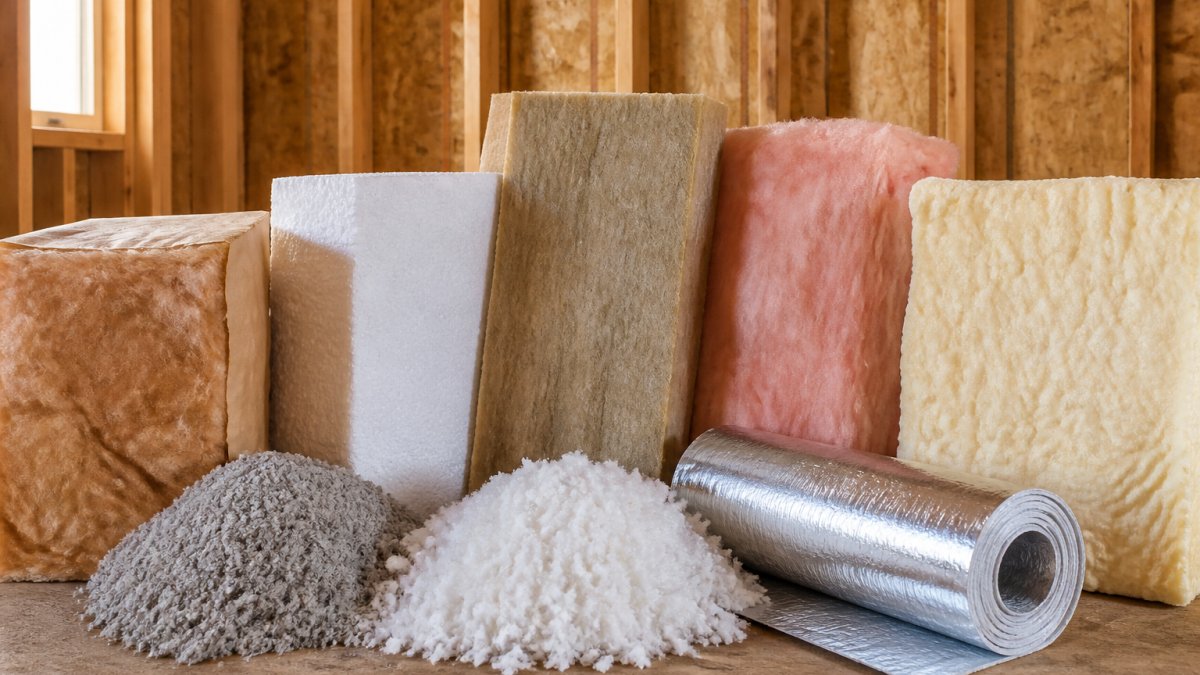
| Material | Best For | Key Strength | Main Limitation |
|---|---|---|---|
| Blown-in cellulose | Retrofits, attics | Fills gaps and voids | Settles over time |
| Mineral wool | Fire resistance, sound | Withstands high heat | Higher material cost |
| Spray foam | Air sealing, crawlspaces | Seals and insulates at once | Professional install required |
| ICF | New construction | Structural plus thermal | Build-stage only |
Blown-In Cellulose
For a closer look at the blow-in process, see our cellulose blow-in service.
Mineral Wool
Mineral wool is spun from rock or slag into dense batts and slabs that hold their shape and resist heat far better than fiberglass. It's the pick when fire resistance and sound control matter, which is why it shows up in walls between bedrooms and mechanical rooms. The trade-off is cost and weight; mineral wool runs heavier and pricier than fiberglass, so it rarely wins on budget alone.
Insulated Concrete Forms
Insulated concrete forms, or ICF, are hollow foam blocks stacked and filled with concrete to form walls that insulate and carry load at the same time. The result is a tight building envelope with strong thermal bridging resistance and excellent heat retention. The catch is timing: ICF belongs in new construction or major additions, not a retrofit. If your walls are already framed and finished, this option is off the table.
Spray Foam Insulation Pros and Cons
Both options are on our open cell spray foam and closed cell spray foam pages.
The Best Insulation for Older Homes
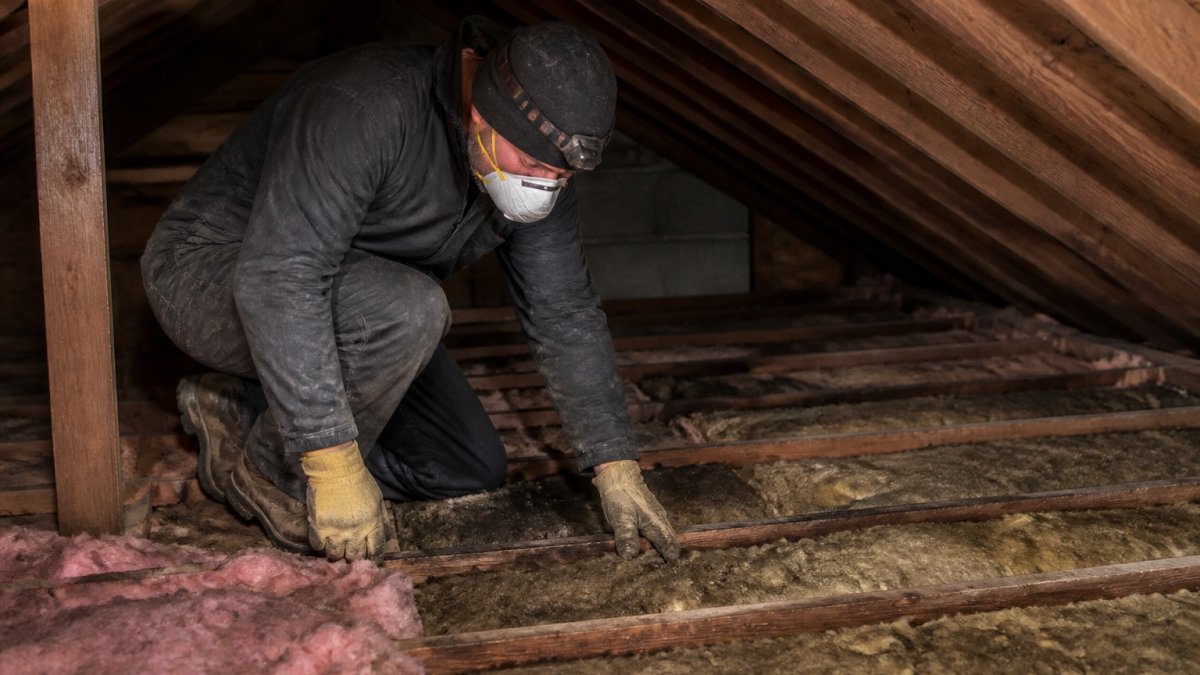
The best insulation for older homes is usually blown-in cellulose paired with aggressive air sealing, not a full spray foam tear-out. Older houses leak air through a hundred small gaps before insulation performance even enters the picture, so the order of work matters more than the material label.
Sequence the Retrofit Before You Choose a Material
- Air seal first. Close gaps at the rim joists, top plates, penetrations, and around chimneys and flues. This is the highest-return step in most older homes.
- Address moisture. Fix the source before adding insulation. Wet insulation loses thermal resistance and creates mold risk.
- Handle hazards. Knob-and-tube wiring, old recessed lights, and unlined chimneys need to be addressed before dense material goes near them.
- Then insulate. Match the material to the cavity, not the other way around.
Working Around Old Construction
Retrofitting an old house means working around knob-and-tube wiring, plaster walls, and framing that was never designed for dense materials. Cellulose handles irregular cavities well and won't crush fragile assemblies. Spray foam works in rim joists and crawlspaces where drafts originate. Mineral wool is a good fit where fire separation or sound control between rooms matters. Dense-pack cellulose in wall cavities requires a trained installer to hit the right density; under-packed walls settle and lose performance.
How Older-Home Materials Perform Over Time
Long-term performance is where older-home decisions get made, and it is where most guides stop short. Cellulose treated with fire retardants holds up well when kept dry, but it settles and can absorb moisture if air sealing and vapor control are skipped. Fiberglass batts in older walls are prone to compression and air bypass, which is why they underperform their rated R-value. Spray foam holds performance but is hard to remove if a roof leak or remodel requires access. Mineral wool resists settling and moisture better than cellulose in many assemblies, which can offset its higher material price over a 10- to 20-year horizon.
Climate Changes the Answer
Use the recommended home insulation R-values for your climate zone as the target, then let the assembly and the house's condition decide the material.
Insulation Cost Comparison: What Drives the Price
Most insulation articles rank materials by performance and then wave at cost. That is backwards for a homeowner budgeting a project. A useful insulation cost comparison starts with how the bill is built, then shows where each material lands on that structure.
The biggest cost drivers:
A Budget Framework You Can Actually Use
- Set the R-value target. Use the recommended home insulation R-values for your climate and assembly. Doubling the R-value target roughly doubles the material quantity, though labor does not scale the same way.
How the Materials Stack Up on Cost Structure
Material comparisons in the research literature, including a 2016 review of insulation materials for the building sector, treat cost alongside thermal and moisture performance rather than in isolation. We quote every job in writing after an on-site look, because a phone estimate for insulation is a guess dressed up as a price.
The Long-Term Cost View Competitors Skip
Upfront price is only half the budget. The other half is what the material costs to live with over 10 to 20 years. Loose-fill cellulose settles, so if it is installed below the correct density you will pay to top it off. Spray foam, installed correctly, holds its performance but is difficult and expensive to remove if a roof leak or remodel requires it. Mineral wool resists settling and moisture better than cellulose in many assemblies, which can offset its higher material price over time. Build the maintenance line into your comparison, not just the install line.
Air Sealing, Vapor Barriers, and Moisture Control
Our air seal and air barrier service and moisture barrier service cover both sides of that equation.
Choosing the Right Insulation for Your Home
The right insulation alternatives for your home depend on where the material goes, what climate it faces, and whether you're building or retrofitting. ENERGY STAR's recommended home insulation R-values vary by climate and location within the home, so a single material comparison can't tell you what your attic needs.
A simple decision path:
A 2022 comparative performance analysis of insulation materials reinforces that material choice should follow the application, not the other way around.
Frequently Asked Questions
What is a better insulation option than fiberglass?
It depends on where the insulation goes. Blown-in cellulose often performs better in existing wall cavities and attics because it fills gaps that batts miss. Spray foam delivers the highest air sealing, which matters most in rim joists and crawl spaces. Mineral wool holds up better around heat sources and in damp areas. ENERGY STAR recommends choosing R-value by climate and location in the home, so the best option is the one matched to the space, not a single universal winner.
Is cellulose insulation a good alternative to fiberglass?
Yes, for attics and closed cavities. Cellulose is made largely from recycled paper, treats well against fire, and settles into odd shapes that batts cannot cover. It can settle over time, so installers apply it at the correct density to limit that. It also absorbs moisture, which makes proper air sealing and vapor control essential before installation. For homeowners comparing insulation alternatives on both performance and material sourcing, cellulose is usually the closest direct swap for fiberglass batts.
Why are people removing spray foam insulation?
Most removals trace back to installation problems rather than the material itself. Improperly mixed foam can fail to cure, trap moisture, or leave off-gassing odors. Some homeowners also object to halogenated flame retardants used in certain foams. Removal is difficult and costly, so the practical lesson is to hire a certified installer who follows manufacturer specifications. When spray foam is applied correctly, it remains one of the strongest options for air sealing and heat retention in a building envelope.
How do I compare insulation options for my home?
Start with three questions: where is the insulation going, what R-value does your climate zone call for, and does the space have moisture or air leakage problems? Then compare materials on cost per square foot, long-term settling or degradation, fire performance, and indoor air quality impact. Get written quotes that separate material from labor and air sealing. A transparent contractor will walk you through these tradeoffs instead of pushing one product for every job.
Most homeowners don't need a materials lecture. They need an honest read on what's in their attic, what it's costing them, and what it would take to fix it. That's what we do at ThermTech Solutions: same-day solutions where the job allows, straightforward quotes with no gimmicks, and a trained, certified team that shows up when we say we will. Get started with ThermTech Solutions and find out what your home is actually losing.