 blog
InsulateKY vs 62Insulation: Service Review 2026
Table of Contents
- What to Expect From Local Insulation Service Providers
- Insulation Quote Checklist: What Every Estimate Should Include
- Attic Insulation Cost: Understanding Pricing Differences
- Spray Foam vs Blown-In Insulation: Which Is Right for You
- Questions to Ask an Insulation Contractor Before Hiring
- Licensing, Warranties, and Certifications That Matter
- Making Your Final Choice
- Frequently Asked Questions
Last Updated: October 16, 2026
What to Expect From Local Insulation Service Providers
When you're ready to improve your home's energy efficiency, choosing the right insulation service provider matters more than you might think. The difference between a thorough, transparent contractor and one that cuts corners shows up in your energy bills for years to come. At ThermTech Solutions, we've helped homeowners in Liberty and surrounding counties understand what separates quality insulation service from mediocre work.
A good insulation service review should tell you exactly what to expect: how the contractor approaches your project, what materials they recommend and why, and what happens after installation. Most homeowners get quotes from multiple providers and notice the prices vary wildly. That's not random. The variation usually reflects different approaches to the job itself.
The best local insulation contractors will walk you through their process before they start. They'll explain whether your project needs blown-in insulation, spray foam, or a combination. They'll discuss crawlspace moisture issues, attic ventilation, and air sealing as separate concerns that may need different solutions. They won't oversell you on expensive options when a simpler fix works just as well.
What most guides skip over is this: a quality insulation service review needs to address the actual installation process. How do they protect your home during work? Do they seal air leaks before adding insulation, or after? Will they remove old, compressed insulation, and what happens to that waste? These details determine whether your new insulation actually performs as expected.
Insulation Quote Checklist: What Every Estimate Should Include
Your insulation quote should answer every major question before you sign anything. A vague estimate is a red flag. It usually means the contractor hasn't done a proper assessment or doesn't want to commit to specifics.
Here's what a solid insulation quote checklist must include:
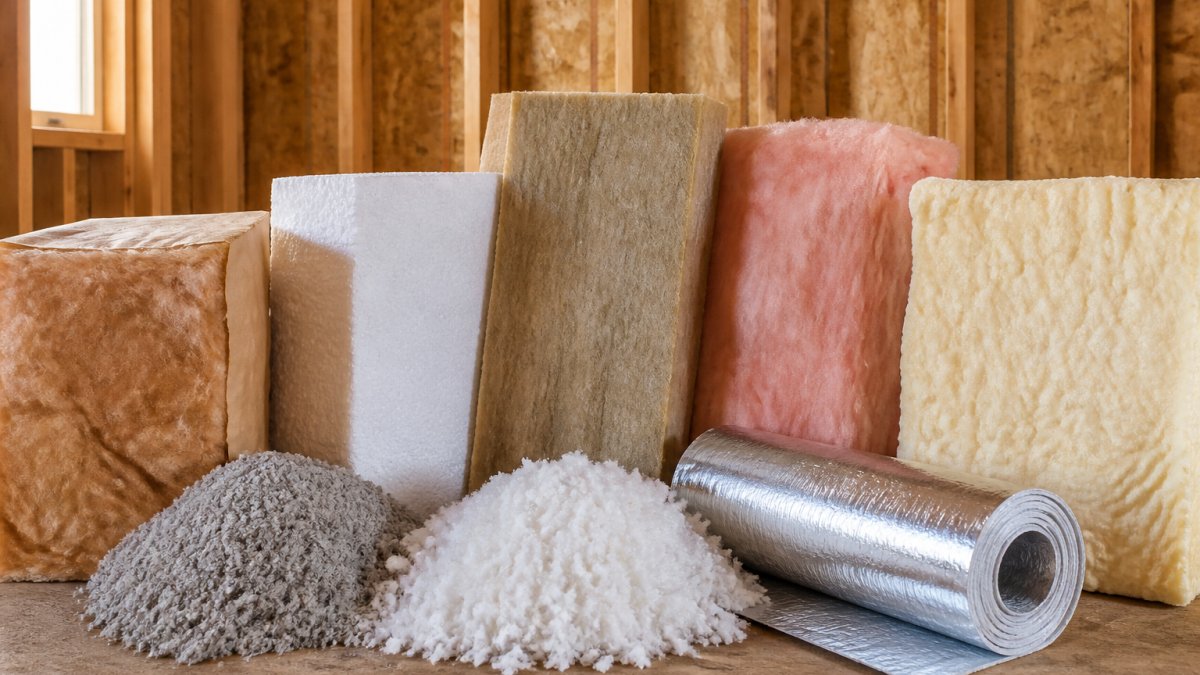
Project scope and materials: The estimate should specify exactly what's being done. "Attic insulation" isn't enough. You need to know the R-value being installed, the material type (fiberglass batts, blown cellulose, spray foam open-cell or closed-cell), the square footage being covered, and whether old insulation is being removed. Different materials perform differently, and the choice affects both cost and long-term results.
Labor and removal costs: If old insulation is coming out, that work should be itemized separately. Removal is labor-intensive and often costs more than people expect. A transparent contractor won't bury this in a lump sum.
Air sealing scope: Many insulation projects fail because air leaks aren't addressed. A quality estimate includes air sealing as a distinct line item. This might involve sealing gaps around penetrations, attic bypasses, or ductwork. Without it, your new insulation won't perform at its rated R-value.
Timeline and disruption: How long will the work take? Will your home be unusable during installation? What precautions are being taken to protect your belongings and living spaces? A contractor who glosses over this hasn't thought through the logistics.
Warranty and guarantees: What's covered, for how long, and under what conditions? A real warranty is specific. "We stand behind our work" means nothing. You want to see what happens if the insulation settles, if moisture appears, or if performance doesn't meet expectations.
Permits and inspections: Some jurisdictions require permits for insulation work, especially spray foam installation. Your estimate should clarify whether permits are included and who handles inspections.

Attic Insulation Cost: Understanding Pricing Differences
Attic insulation cost varies dramatically depending on several factors, and understanding what drives those differences helps you evaluate quotes fairly. This is where many homeowners get confused, because a low price isn't always a bargain and a high price isn't always better.
The first factor is the material itself. Blown-in cellulose costs less per square foot than spray foam. Fiberglass batts cost less than either. But cheaper upfront doesn't mean cheaper long-term. Blown cellulose can settle over time, reducing its R-value. Spray foam resists settling but costs more initially.
The second factor is existing conditions. If your attic already has insulation that needs removal, that adds significant labor. If there are obstacles like ductwork, wiring, or structural complications, installation takes longer and costs more. Some contractors will quote a price without assessing these conditions, that's a sign they're guessing, and their quote will change once work starts.
The third factor is scope creep that most people don't anticipate. A basic attic insulation job becomes more complex when you discover moisture damage, mold, or inadequate ventilation. Air sealing work, which should be part of any serious insulation upgrade, adds cost but dramatically improves performance (Energy-Efficient Home Improvement Credit Insulation and Air-Sealing Essentials).
What most insulation service review guides miss is this: the cheapest quote often reflects a narrower scope. You're not comparing apples to apples. A thorough contractor will recommend addressing air leaks, checking ductwork, and possibly improving ventilation. That costs more, but it's what actually delivers results. A contractor who quotes low might be planning to do less.
Spray Foam vs Blown-In Insulation: Which Is Right for You
Spray foam and blown-in insulation serve different purposes, and the right choice depends on your specific situation. This is where contractor expertise matters because both materials work, but they work differently.
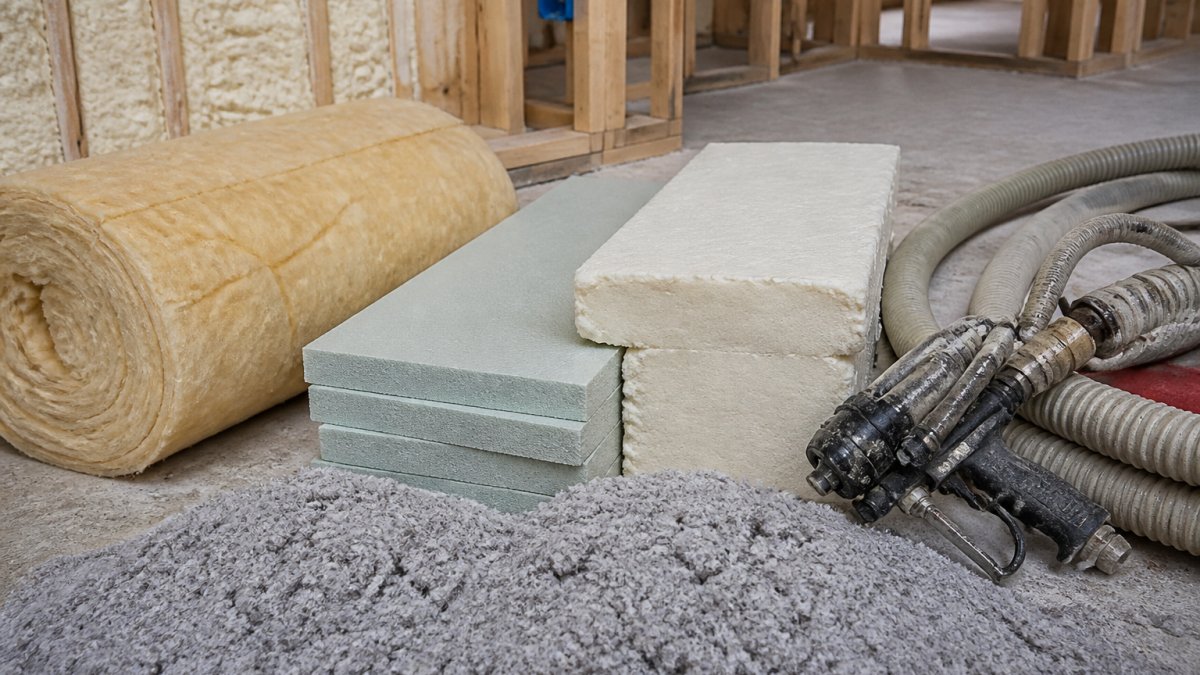
Spray foam, whether open-cell or closed-cell, expands as it's applied and fills gaps and cavities completely. It creates an air seal as it insulates, which is valuable for crawlspaces and rim joists where air leakage is a major problem. Open-cell spray foam is less expensive and allows some moisture vapor to pass through.
The downside of spray foam is cost and permanence. It's significantly more expensive than blown-in options. And once it's applied, it's difficult and expensive to remove or modify if you need to access wiring or make repairs later.
Blown-in insulation, typically cellulose or fiberglass, is less expensive and easier to work with. You can blow it into existing walls, attics, and cavities without major disruption. If you need to access something later, it's easier to move aside. The trade-off is that blown-in insulation doesn't seal air leaks on its own.
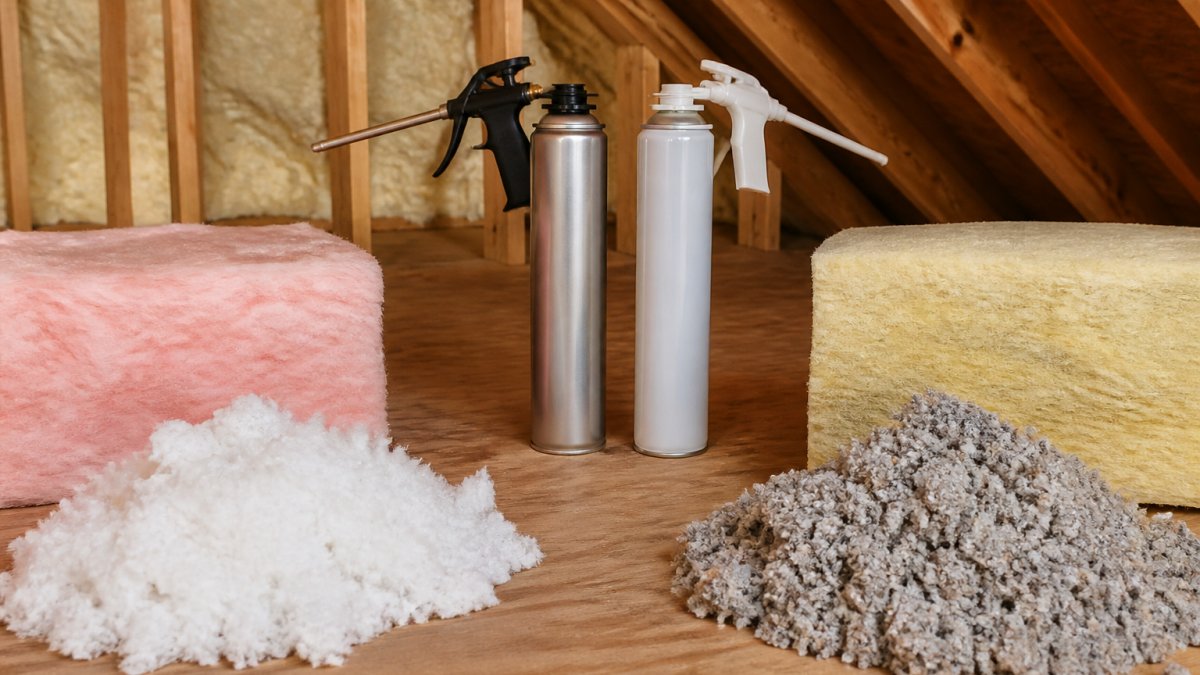
For most attic insulation projects, blown-in cellulose or fiberglass works well and costs less. For crawlspaces with moisture issues or rim joists that are major air leak sources, spray foam often delivers better results despite the higher cost.
Questions to Ask an Insulation Contractor Before Hiring
Before you hire any contractor, ask questions that reveal whether they've actually thought through your project. Generic answers are a warning sign.
"What's your assessment of my current insulation and air sealing needs?" A contractor who's done a proper walkthrough will have specific observations. They'll mention problem areas they've identified. If they give vague answers, they haven't looked closely enough.
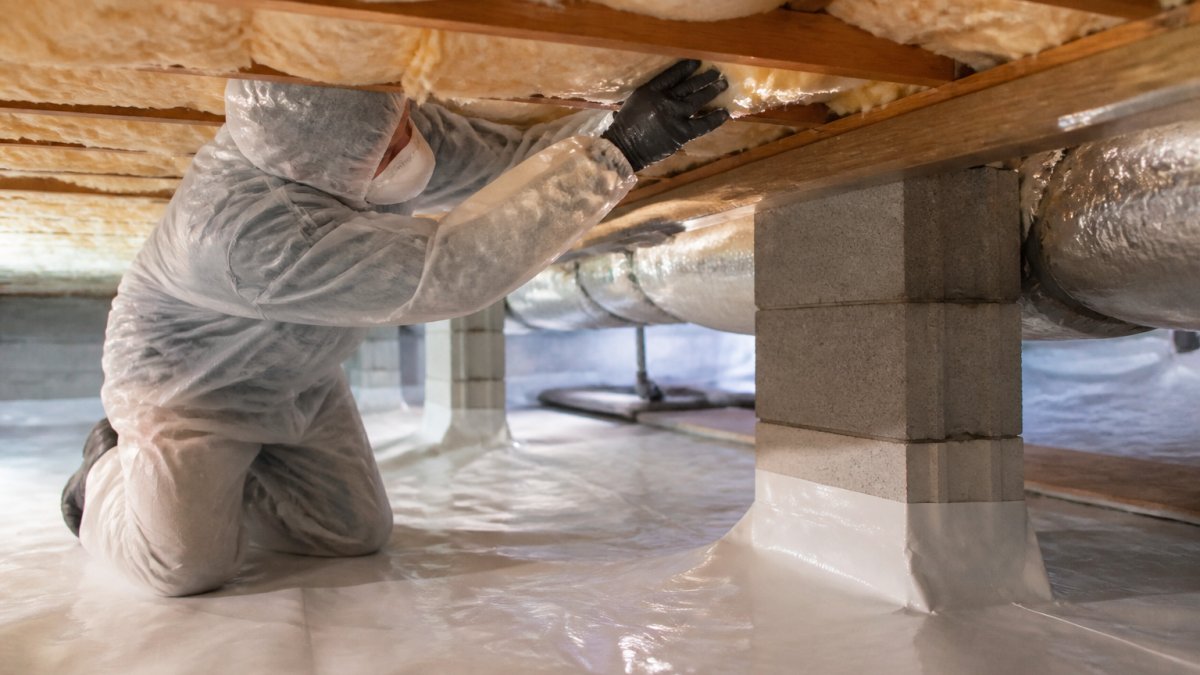
"How will you handle moisture in my crawlspace?" This is critical. Moisture and insulation don't mix. If your crawlspace is damp, adding insulation without addressing moisture creates problems.
"Will you air seal as part of this project, or separately?" Air sealing is essential for insulation to perform at its rated R-value.
"What happens to my old insulation?" Ask how they'll remove it, where it goes, and whether disposal is included in the quote. Compressed or moldy insulation needs to be handled carefully.
"How long will this take, and what should I expect during installation?" A contractor who can't give you a clear timeline hasn't done enough jobs.
"What warranty do you offer, and what does it cover?" Get this in writing. A real warranty specifies what's covered, the duration, and any conditions. "Lifetime warranty" sounds great but means nothing if it's not defined.
"Are you licensed, insured, and bonded?" This isn't optional. Ask to see documentation. It protects you if something goes wrong.
"Can you provide references from recent projects similar to mine?" Talk to actual customers. Ask them about the quality of work, whether the contractor showed up on time, and whether the results matched expectations.
Licensing, Warranties, and Certifications That Matter
When you're evaluating an insulation service review, licensing and certifications tell you whether a contractor meets basic professional standards. They're not everything, but they matter.
Licensing requirements vary by state and sometimes by county. In many jurisdictions, insulation contractors need a general contractor license or a specialized insulation license. Check with your local building department to understand what applies in your area. A licensed contractor has passed exams, carries liability insurance, and is accountable to a regulatory body. That's not a guarantee of quality, but it's a baseline.
Certifications from manufacturers matter for specific products. These certifications require training and demonstrate that the contractor understands proper application techniques.
Insurance is essential. A contractor should carry general liability insurance and workers' compensation insurance. If someone is injured on your property or your home is damaged during work, their insurance covers it, not yours. Always ask to see proof of current coverage.
Warranties should be specific and in writing. A material warranty covers the insulation product itself for a defined period. An installation warranty covers the contractor's workmanship. Some contractors offer a settlement warranty for blown-in insulation, which covers material that settles below the specified R-value. These details matter because they define what recourse you have if something goes wrong.
What most homeowners overlook: a warranty is only as good as the company backing it. Ask how long they've been in business and whether they're established locally.
Making Your Final Choice
Choosing between insulation contractors comes down to comparing what you've learned from their estimates, their answers to your questions, and their willingness to explain their recommendations. An insulation service review should guide you toward a contractor who understands your specific situation and communicates clearly about what they'll do and why.
The cheapest estimate often reflects a narrower scope. The most expensive might include work you don't need. The right choice is the contractor who explains the trade-offs, addresses your actual problems, and stands behind their work with real warranties and clear accountability.
ThermTech Solutions has built its reputation on transparent pricing, professional installation, and honest recommendations about what your home actually needs. We assess your attic, crawlspace, and air sealing requirements thoroughly before recommending a solution. We itemize every cost so you know what you're paying for. And we back our work with warranties that specify exactly what's covered.
When you're ready to move forward, get detailed estimates. Compare them line by line. Ask the same questions of each contractor. Pay attention to which ones take time to understand your situation and which ones rush through the assessment.
Choosing the right insulation contractor is one of the most important decisions you'll make for your home's long-term comfort and efficiency. The difference between a thorough professional and a contractor cutting corners shows up in your energy bills for years. Ready to improve your home's energy performance? Get in touch with ThermTech Solutions for a detailed insulation assessment and transparent estimate today.
Frequently Asked Questions
What should be included in a detailed insulation service review?
A thorough insulation service review should cover installation methods, material quality, pricing transparency, response time, customer testimonials, licensing and insurance status, warranty terms, and post-installation verification. Check whether the contractor provides written estimates, explains the scope clearly, and offers follow-up inspections. Reviews should also address how they handle old insulation removal and whether they seal air leaks as part of the project.
How do I know if an insulation contractor's pricing is competitive?
Request written quotes from multiple contractors that break down labor, materials, and removal costs separately. Pricing varies based on your home's square footage, insulation type, accessibility, and whether old insulation must be removed first. Avoid unusually low bids, which often indicate shortcuts. Ask each contractor to explain what their price includes and whether they offer same-day service or require multiple visits.
What's the difference between spray foam and blown-in insulation for attics?
Spray foam (open or closed cell) expands on contact and seals air gaps immediately, offering superior air sealing and moisture resistance. Blown-in insulation, typically cellulose or fiberglass, is less expensive and easier to remove later, but may settle over time and requires separate air sealing. Spray foam works better in crawlspaces with moisture concerns; blown-in suits standard attic upgrades where budget matters more than moisture control.
Should I hire a contractor who guarantees same-day service?
Same-day service can be valuable if you need quick results, but it depends on your project scope. Ask whether same-day service means the full project is done or just the initial installation. Verify that rushing doesn't compromise quality, thorough inspection and material curing time matter more than speed.