 Ultimate guide
Commercial Insulation Services Cost Estimate Guide
Quick Summary
A commercial insulation services cost estimate covers material, labor, surface preparation, removal of old insulation, air sealing, cleanup, and sometimes mobilization or minimum charges. Costs vary by material, R-value, area, access, and occupancy, so compare bids only after confirming each one includes the same scope.
- Confirm each bid itemizes material, labor, equipment, cleanup, and any mobilization or minimum charges.
- Gordian reports a national fiberglass insulation cost index of $0.66 per square foot in 2026.
- Spray foam projects often carry a minimum charge of $1,000 to $2,000 from many contractors.
- Occupied buildings may need phased work, dust control, containment, and off-hours crews, which raise cost.
- Ask every bidder for the product name, R-value, and thickness, since a bid listing only insulation cannot be compared.
Table of Contents
- What Commercial Insulation Services Typically Include
- Commercial Insulation Cost Per Square Foot by Material
- Labor Cost to Install Insulation Per Square Foot
- Variables That Change Your Final Project Quote
- Using a Commercial Insulation Cost Calculator
- Insulation Estimate Checklist Before You Request Bids
- Request a Commercial Insulation Estimate from ThermTech Solutions
- Frequently Asked Questions
What Commercial Insulation Services Typically Include
A commercial insulation services cost estimate covers more than the cost of material and a crew. Most quotes for commercial buildings bundle several line items, and the gap between a low bid and a high one usually sits in what each contractor left out. Before you compare numbers, confirm what each quote includes.
Typical scope items include the insulation material itself, surface preparation, removal of existing insulation where required, labor, equipment, air sealing at penetrations, and cleanup and disposal. Some quotes also list mobilization fees or minimum charges for small jobs. Ask each bidder to itemize these so you can compare like with like.
Scope also depends on the building. A warehouse roof, an office wall, and a mechanical room call for different materials and different access methods. Ask whether the quote assumes open-access work or accounts for occupied space, after-hours scheduling, and protection of finished surfaces.
Commercial Insulation Cost Per Square Foot by Material
Cost per square foot is the most common benchmark, but it is only useful when the materials are defined. Gordian reports a national fiberglass insulation cost index of $0.66 per square foot in 2026, up 1.40% year over year (Gordian's insulation cost updates). That figure is a material benchmark, not an installed price for a particular building.
Wholesale material pricing shows how much the product itself can vary by specification. InsulationOverstock lists fiberglass rates from $0.49 to $1.32 per square foot depending on facing and R-value, so two bids for "fiberglass" can differ before labor is added (InsulationOverstock's insulation cost table).
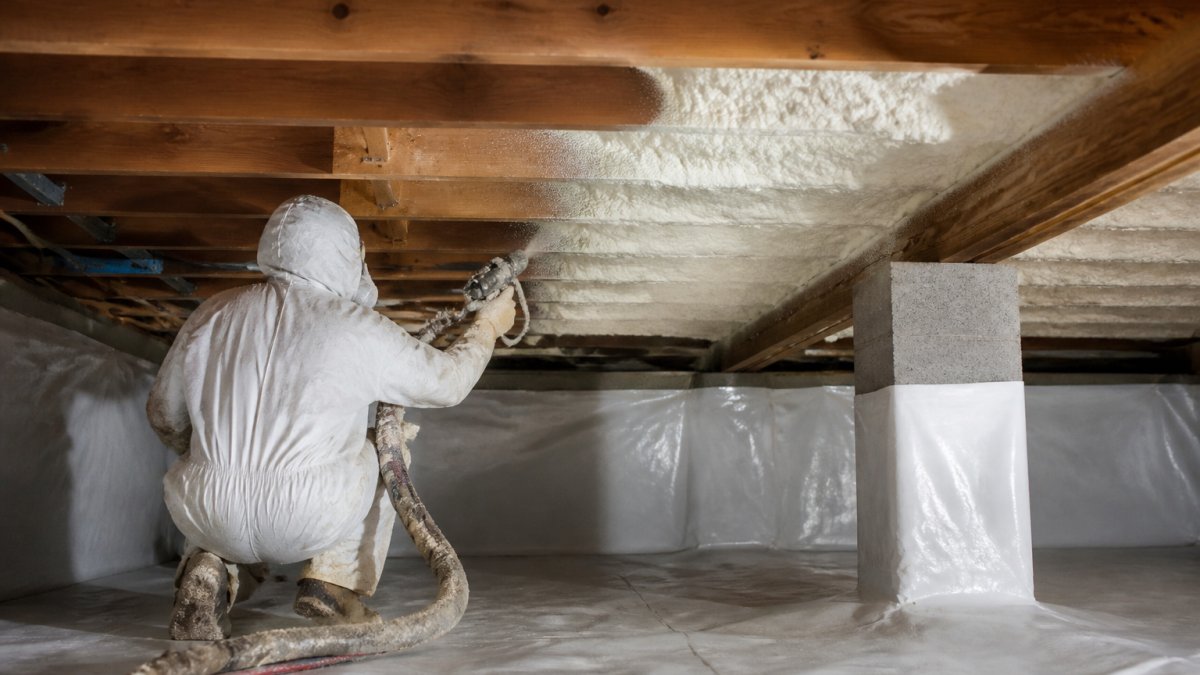
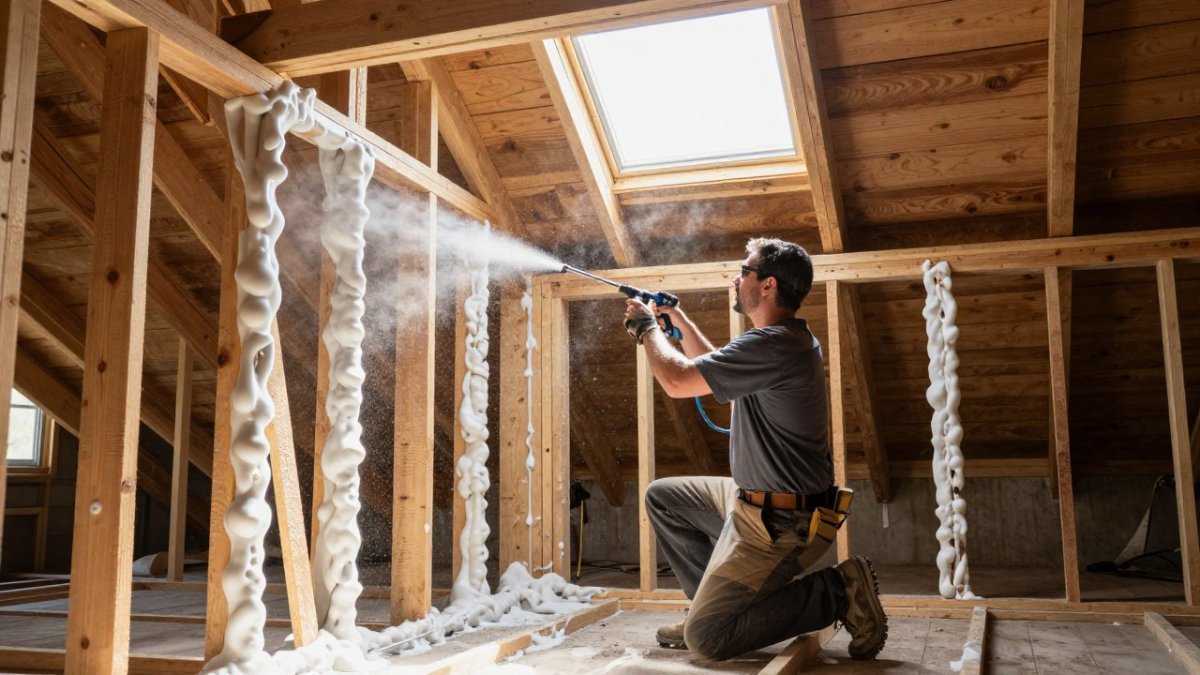
Spray foam is priced differently. Armorthane reports open-cell foam at roughly $0.44 to $0.73 per board foot and closed-cell at roughly $1.00 to $2.12 per board foot, and notes that many contractors enforce a $1,000 to $2,000 minimum (Armorthane's spray foam cost guide). Minimums matter on small commercial jobs.
Material comparison: R-value, cost, and durability
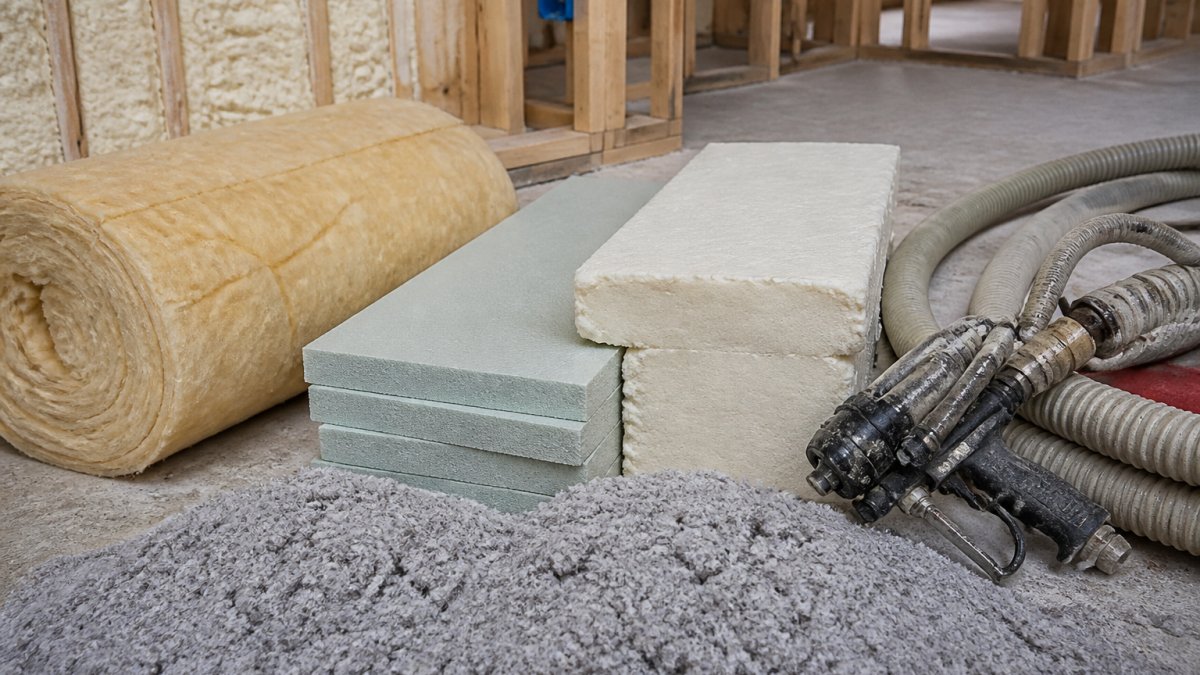
Compare materials on three axes: R-value per inch, installed cost, and how the material holds up over time. Closed-cell foam delivers more R-value per inch and resists moisture, but it costs more per square foot. Fiberglass costs less up front but loses performance if it gets wet or is compressed. Cellulose sits between them and works well for retrofits in existing wall and attic cavities.
For a commercial bid, ask each contractor to state the R-value, thickness, and product name. A quote that says only "insulation" cannot be compared.
ThermTech Solutions offers cellulose blow-in insulation, open-cell spray foam, and closed-cell spray foam, so you can compare these options side by side against your building's requirements.
Costs by area: walls, attics, ceilings, and basements
Costs shift by location because access and scope change. Hometown Insulation gives an example of a 1,000-square-foot attic job at $1,500 to $3,500 and reports retrofit exterior-wall work at about $1.75 to $3.50 per square foot (Hometown Insulation's cost guide). These are residential examples, so treat them as rough references for commercial areas.
Attics and open ceilings are usually the least expensive to reach. Walls cost more when they must be opened or treated. Basements and crawlspaces add moisture and access considerations. Thumbtack reports an average of $3 to $5 per square foot for spray foam injected into existing homes (Thumbtack's insulation cost guide), which illustrates how retrofit work raises the number.
The article's material benchmarks and wholesale ranges are summarised below so bids can be compared on the same basis.
| Material or source | Figure | Note |
|---|---|---|
| Gordian fiberglass index (2026) | $0.66 per sq ft | National benchmark, up 1.40% year over year |
| InsulationOverstock fiberglass | $0.49 to $1.32 per sq ft | Varies by facing and R-value |
| Armorthane open-cell foam | $0.44 to $0.73 per board ft | Many contractors enforce a minimum |
| Armorthane closed-cell foam | $1.00 to $2.12 per board ft | Many contractors enforce a minimum |
| Spray foam project minimum | $1,000 to $2,000 | Matters on small commercial jobs |
| Thumbtack injected spray foam (existing homes) | $3 to $5 per sq ft | Retrofit work raises the number |
Labor Cost to Install Insulation Per Square Foot
Labor is often the largest share of an installed price, and it varies with access, height, and occupancy. Angi reports that professional insulation installation typically costs $1,071 to $2,650 and notes that materials and square footage determine the final total (Angi's insulation installation cost guide). That range reflects residential jobs, so use it as a sanity check only.
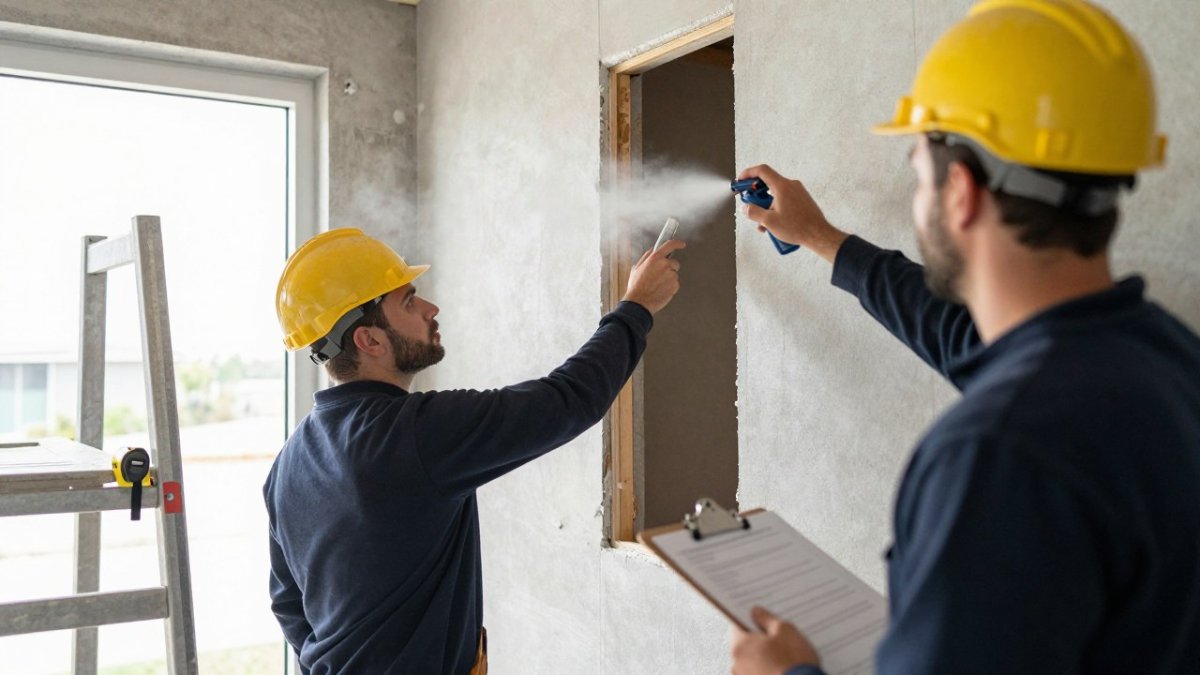
When you evaluate labor, ask how the bid calculates it. Some contractors price by the square foot, others by the hour or by crew day. A per-square-foot labor rate is easy to compare, but ask whether it assumes clear access, normal ceiling heights, and no after-hours work.
Variables That Change Your Final Project Quote
No single per-square-foot figure produces a reliable commercial estimate. Calculator results are tied to a specific material, R-value, area, and scope. Use them to frame a budget, not to set one. The variables below are the ones that most often move a commercial quote away from the calculator output.
Building type, occupancy, and retrofit or removal work
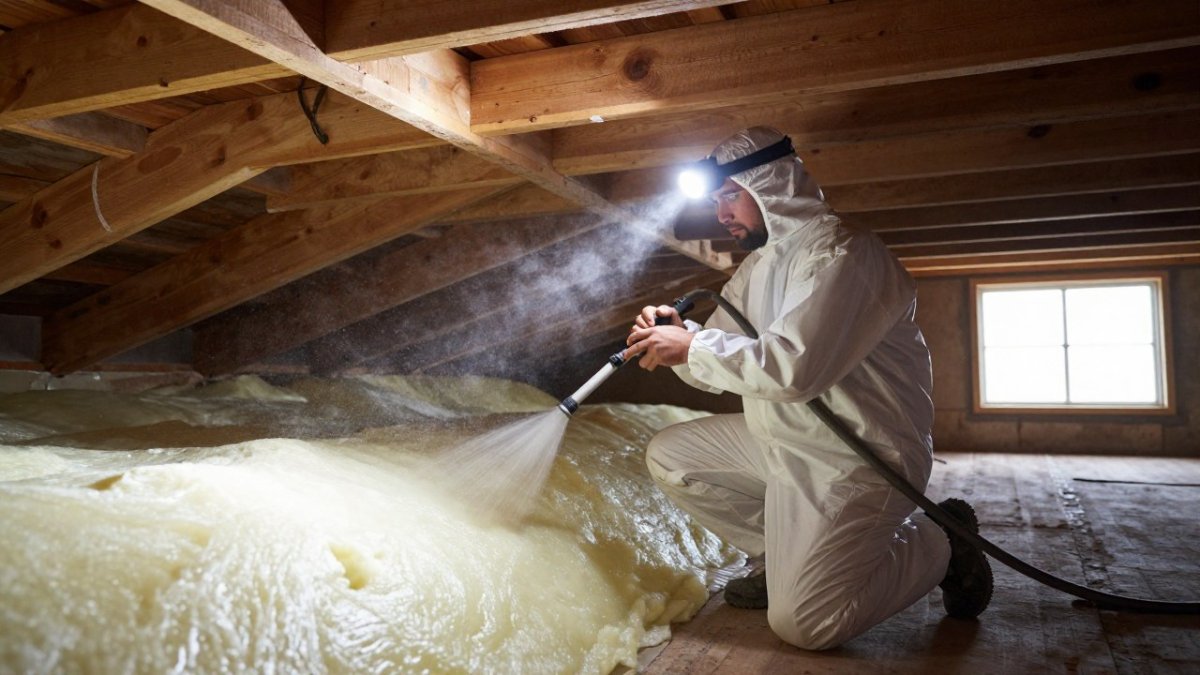
An occupied office, a working warehouse, and an empty new build each carry different costs. Occupied spaces may require phased work, dust control, containment barriers, negative air machines, and off-hours crews. Retrofits often include removing old insulation, which adds disposal fees, bagging, and labor, and some older material requires special handling and disposal documentation. Ask every bidder whether removal is included, how old material will be handled, and whether the price assumes the building is empty. A quote written for an empty shell and applied to an occupied floor is one of the most common sources of mid-project change orders.
Code, fire, and moisture requirements
Commercial projects often must meet building code, fire-rating, and moisture-control requirements. The applicable code edition and local amendments govern which insulation products are permitted in which assembly, and fire-rated assemblies at corridors, shaft walls, and tenant separations require specific products and detailing that a generic quote may not include. Vapor control is the other major driver: in cold climates the vapor retarder generally goes on the warm side of the assembly, while in hot-humid climates the priority shifts to keeping the assembly dry and controlling air leakage.
Ask each bidder to state the product name, R-value, thickness, and the assembly it is going into, and to confirm the quote reflects the fire rating and vapor control your drawings require. A quote that lists only "insulation" cannot be compared, and it usually means the contractor has not priced the detailing.
Lifecycle cost and energy savings
Installation price is only one part of the decision. Compare upfront cost against expected energy savings, maintenance, and durability over the life of the assembly. Closed-cell foam costs more per board foot but adds structural and moisture resistance; fiberglass costs less but loses performance when wet or compressed; cellulose sits between them and works well in retrofits. A common pattern is that the lowest installed price is not the lowest lifecycle cost once moisture damage, rework, and energy use are counted. Ask contractors to explain the assumptions behind any savings figure they quote rather than accepting a payback number at face value.
Bid comparison and scope verification
Before you sign, put the proposals side by side and check that each one covers the same scope. Look for exclusions, differing R-values and product names, preparation and removal work, equipment and mobilization charges, project minimums, allowances, and warranty terms. A lower bid that excludes removal, containment, or fire-rated detailing is not actually lower. Send the same scope document to every bidder so the quotes are comparable, and ask each one to itemize material, labor, equipment, cleanup, and minimums.
Using a Commercial Insulation Cost Calculator
Online calculators are a fast way to get a preliminary number. MyQuoteIQ offers a free calculator that takes project area as input and notes that larger commercial or new-construction jobs with open walls may cost about 15% less per square foot (MyQuoteIQ's insulation cost calculator). The Johns Manville calculator helps match insulation to building areas such as attics and basements before you request pricing (Johns Manville's insulation calculator).
A calculator gives you a starting range. It does not account for site access, code requirements, or your building's condition. Use the output to set a budget and to check whether a contractor's bid falls within a reasonable band.
Insulation Estimate Checklist Before You Request Bids
Before you request bids for a commercial insulation services cost estimate, gather the information every contractor will need:
- Total square footage for each area (walls, attic, ceilings, basement)
- Current insulation type and condition, if any
- Target R-value and any code or fire-rating requirements
- Building occupancy and preferred work hours
- Access constraints such as ceiling height and equipment routing
- Whether old insulation must be removed and disposed of
- Moisture concerns, including past leaks or condensation
- Requested itemization: material, labor, equipment, cleanup, and minimums
Send the same information to every bidder so the quotes are comparable.
Request a Commercial Insulation Estimate from ThermTech Solutions
Comparing commercial insulation quotes is easier when the scope is clear and the line items are itemized. At ThermTech Solutions, we provide straightforward quotes with no gimmicks, and our team is trained and certified to install cellulose, open-cell, and closed-cell insulation for commercial and residential properties in Liberty, KY. Pricing depends on material, quantity, access, and scope, so we give you a written estimate after reviewing your project. Get in touch with ThermTech Solutions today to request a commercial insulation estimate.
Frequently Asked Questions
How much does it cost to insulate 1,000 square feet of commercial space?
Costs for 1,000 square feet of commercial space vary widely because material type, R-value, access, and building condition all change the total. ThermTech Solutions provides project-specific estimates based on your building's scope, and pricing depends on quantity, timing, and site conditions.
How is commercial insulation priced per square foot?
Most contractors price insulation by the square foot of area covered, then adjust for material, R-value, thickness, labor, and access. Installed costs also include labor, removal of old insulation, and site conditions. Ask any contractor to separate material and labor so you can compare bids fairly.
What information should I provide to get an insulation estimate?
Gather the building's square footage by area, the building type and use, existing insulation and its condition, the target R-value, and any moisture or fire-rating concerns. Note access limits, occupied-space constraints, and your preferred schedule. Photos and plans help the estimator verify scope. With these details, ThermTech Solutions can prepare a clear, itemized quote rather than a rough guess.
How can I compare commercial insulation quotes?
Compare quotes only when each one covers the same areas, material type, R-value, and removal scope. Check whether labor, materials, and any minimum charge are listed separately. Confirm code, fire, and moisture requirements are addressed. A lower price that omits removal or fire-rated materials is often not a lower total cost.
Does insulation material affect installation labor costs?
Yes. Spray foam requires specialized equipment and certified application, which can raise labor time compared with batts. Blown-in cellulose and fiberglass often install faster in open attics. Material choice also affects prep work, such as masking and ventilation. Ask for labor costs per material type so the comparison is clear.
How much does commercial attic insulation cost?
Commercial attic insulation depends on roof area, existing insulation removal, access, and R-value target. Blown-in options are commonly used for open attics, while closed-cell spray foam costs more per square foot. Request a site-specific estimate from ThermTech Solutions for accurate numbers.
What factors affect a commercial insulation cost estimate?
Key factors include building size and layout, material and R-value, retrofit or removal of old insulation, occupied-space disruption, access height, and code or fire requirements. Moisture problems must be identified and corrected before new insulation is installed. Transparent estimates list these assumptions explicitly so you know what is included.