 Ultimate guide
Benefits of Moisture-Resistant Insulation
Table of Contents
- Why Moisture-Resistant Insulation Matters for Your Home
- How Moisture Affects Standard Insulation and Your Building
- Best Insulation for Damp Areas: Material Options
- Thermal Performance and Energy Efficiency When Wet
- Wet Insulation and Mold: Prevention and What to Do
- Vapor Barrier Over Insulation: Moisture Control Strategy
- Crawl Space Insulation Moisture Control: A Critical Application
- Frequently Asked Questions
Last Updated: October 10, 2026
Why Moisture-Resistant Insulation Matters for Your Home
Moisture damage costs homeowners billions annually in repairs, yet most standard insulation absorbs water like a sponge. Moisture resistant insulation directly impacts your energy bills, indoor air quality, and how long your home lasts.
Wet insulation loses thermal resistance, forcing your HVAC system to work harder and driving up energy costs. Worse, it creates the perfect environment for mold, wood rot, and structural decay, problems that often cost thousands to remediate once visible.
How Moisture Affects Standard Insulation and Your Building
Fiberglass and cellulose absorb moisture readily, displacing air pockets and dropping R-value by 50% or more in saturated conditions. Trapped moisture creates persistent humidity in enclosed spaces like crawlspaces and wall cavities.
Moisture breeds mold and mildew, releasing spores that degrade indoor air quality. Persistent moisture also causes wood rot, compromising structural integrity and the building envelope.
Standard insulation absorbs water and holds it indefinitely if ventilation is poor. Moisture resistant insulation maintains its form and thermal properties even when exposed to high humidity or occasional water contact, critical in basements, crawlspaces, and attics.
Best Insulation for Damp Areas: Material Options
Moisture-resistant insulation slows water absorption and resists mold, but is not waterproof. It performs well in high-humidity environments and tolerates occasional moisture contact, but requires proper installation details, vapor barriers, air sealing, drainage planes, and ventilation, to function as intended.
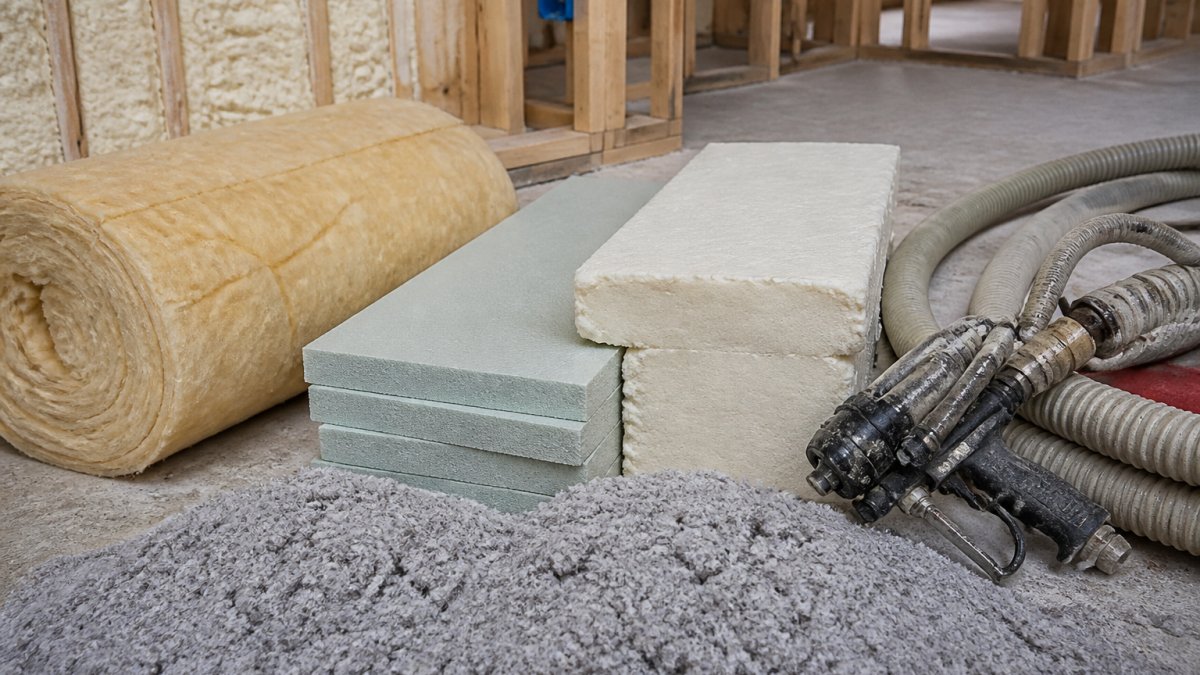
Closed-Cell Spray Foam
Closed-cell spray foam limits water absorption to 0.2-0.5% by volume and retains ~90% of its R-value even when wet. It also air-seals against moisture infiltration. The primary limitation is cost ($1.50-$2.50/bf), but for crawlspaces, rim joists, and attics in humid or flood-prone areas, durability and mold resistance justify the expense.
Open-Cell Spray Foam
Open-cell spray foam is permeable, allowing vapor to pass through and preventing condensation in certain assemblies. However, it absorbs water more readily (1-2% by volume) and requires a vapor barrier on the interior. At $0.75-$1.25/bf, it works well in interior walls and climate-controlled spaces but is not recommended for crawlspaces or attics without vapor control.
Polyiso Rigid Foam Boards
Polyiso rigid boards offer minimal water absorption (0.2% or less) and maintain thermal performance in damp conditions. Foil facing serves as an integrated vapor barrier. They work well in basement walls, exterior applications, and rim joists at $1.00-$1.75/bf, though seams and edges require careful sealing.
Mineral Wool (Rock Wool and Slag Wool)
Mineral wool is inorganic, resists mold, and is fire-resistant. It absorbs 3-5% by volume but dries quickly with ventilation, retaining 70-80% of R-value when wet. At $0.50-$1.00/bf, it works well in attics and dry-climate walls but is less ideal for crawlspaces or chronic moisture areas.
Treated Cellulose
Treated cellulose resists mold but absorbs 10-15% of its weight in water and loses 40-60% of R-value when saturated. At $0.25-$0.50/bf, it works in dry-climate attics and walls but is not recommended for crawlspaces, basements, or flood-prone areas.
Cold climates benefit from closed-cell foam or polyiso on the interior to prevent condensation. Hot, humid climates may require vapor barriers on the exterior or permeable insulation. Crawlspaces almost always benefit from closed-cell foam or polyiso. Attics in humid climates should use closed-cell foam or mineral wool with proper ventilation. Basements require closed-cell foam or polyiso on interior walls.
| Insulation Type | Water Absorption | R-Value When Wet | Vapor Permeability | Drying Speed | Mold Resistance | Best Applications | Cost |
|---|---|---|---|---|---|---|---|
| Closed-cell spray foam | 0.2-0.5% | 85-95% | 0.5-1.0 | Slow | Excellent | Crawlspaces, rim joists, basements | $1.50-$2.50/bf |
| Polyiso rigid boards | 0.2% or less | 80-90% | 0.5-1.0 | Slow | Excellent | Basement walls, exterior, rim joists | $1.00-$1.75/bf |
| Open-cell spray foam | 1-2% | 60-75% | 5-10 | Moderate | Good (with vapor barrier) | Interior walls, climate-controlled spaces | $0.75-$1.25/bf |
| Mineral wool | 3-5% | 70-80% | 10+ | Moderate | Excellent | Attics, walls in dry climates, fire-rated assemblies | $0.50-$1.00/bf |
| Treated cellulose | 10-15% | 40-60% | 10+ | Slow | Good (if boron intact) | Attics, walls in dry climates only | $0.25-$0.50/bf |
Crawlspaces and basements almost always justify closed-cell foam or polyiso. Attics in dry climates can use mineral wool or treated cellulose. Consult a local building professional for chronic moisture, flooding risk, or complex assemblies.
Thermal Performance and Energy Efficiency When Wet
Fiberglass batts lose 30-50% of R-value when saturated. Closed-cell foam retains most of its thermal resistance even when wet, translating to lower heating and cooling costs year-round.
Closed-cell spray foam expands to fill gaps and cracks, creating a continuous thermal and air barrier. Standard insulation leaves gaps where warm air escapes in winter and cool air leaks in summer, air leaks that often cost more than the insulation saves.
When crawlspaces or attics remain dry, your HVAC system works less hard to dehumidify indoor air, reducing cooling costs by 10-15% in humid climates.
Wet Insulation and Mold: Prevention and What to Do
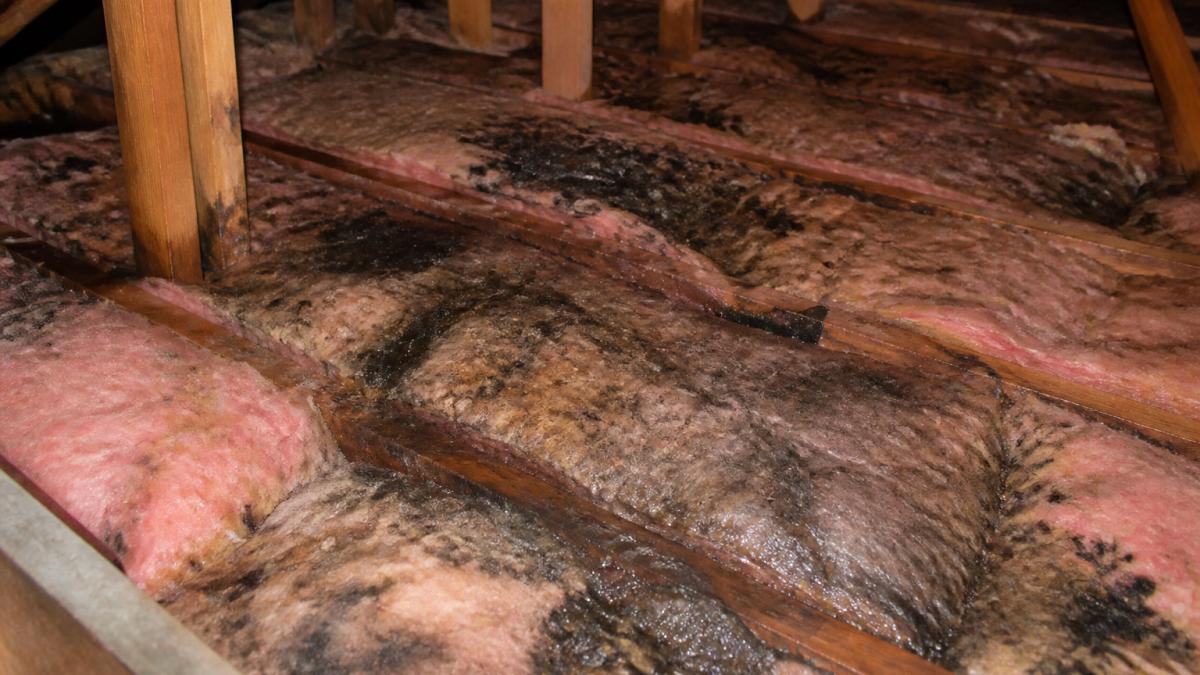
Mold growth begins within 24-48 hours when insulation stays wet (the CDC). Fungi feed on organic materials like fiberglass binder and cellulose, releasing spores that trigger allergies and respiratory issues. Inorganic materials like mineral wool and closed-cell foam do not support mold growth.
Prevention: Address Moisture at the Source
Prevention requires addressing moisture at the source: proper attic ventilation, functioning gutters and downspouts, sealed crawlspace vents, sump pumps and drainage systems, and vapor barriers on the warm side of the building envelope.
Inspection and Assessment After Water Exposure
Inspect insulation for: discoloration (dark spots, streaks, or staining), musty odor, sagging or compression, visible water or dampness, and efflorescence (white, chalky deposits on concrete or masonry).
Use a moisture meter to measure wood and insulation moisture content. Wood framing should be below 20%; insulation below 15% (cellulose) or 12% (fiberglass). Higher readings indicate the need for drying or removal.
Drying Versus Removal: When to Act
Drying is possible if exposure is recent (less than 48 hours), moisture content is below 20%, no visible mold is present, and ventilation can be improved. Removal is necessary if exposure exceeds 48 hours, moisture content exceeds 20%, visible mold is present, or drying is unlikely.
Drying Process and Timeline
Improve airflow by opening windows if outdoor humidity is lower, using exhaust fans, and ensuring attic vents are clear. Position fans to direct air away from insulation. Run a dehumidifier to lower humidity below 60%. Measure moisture content every 3-5 days; if it plateaus or increases, remove the insulation.
Expected drying timelines: closed-cell foam and polyiso 2-4 weeks, mineral wool 1-2 weeks, fiberglass 3-6 weeks, cellulose 4-8 weeks. If drying takes longer than expected, remove the insulation.
Removal and Replacement
Bag wet, moldy insulation in heavy-duty plastic and seal it. Wear respiratory protection (N95 or P100 mask), gloves, and eye protection. Remove it directly to a dumpster or disposal site.
Before installing new insulation, identify and fix the moisture source. Common causes include:
- Roof leaks (repair roof, flashing, or gutters)
- Plumbing leaks (repair pipes, seal penetrations)
- Foundation cracks or poor grading (seal cracks, improve drainage, regrade soil away from foundation)
- High indoor humidity (improve ventilation, install or upgrade exhaust fans, use dehumidifiers)
- Inadequate attic or crawlspace ventilation (clear vents, install additional ventilation if needed)
Once the moisture source is controlled and the space has dried completely, install moisture-resistant insulation appropriate for your climate and assembly. Closed-cell foam or polyiso are the safest choices for areas with a history of moisture problems because they resist mold and dry slowly if re-exposed to moisture.
Long-Term Monitoring
After replacement, monitor the space for signs of recurring moisture. Check attics and crawlspaces seasonally. If humidity or moisture returns, the underlying problem has not been fully resolved.
Vapor Barrier Over Insulation: Moisture Control Strategy
A vapor barrier is a low-permeability material, typically polyethylene sheeting or kraft paper, that blocks water vapor from passing through insulation. The placement of this barrier is critical and depends on your climate and assembly type. In cold climates, the vapor barrier should face the warm side (inside) of the wall or attic to prevent warm indoor air from condensing in the insulation. In hot, humid climates, the strategy sometimes reverses.
Moisture resistant insulation often requires different vapor control than standard insulation. Closed-cell spray foam is inherently vapor-resistant, so an additional barrier may be unnecessary or even counterproductive. Open-cell foam, by contrast, typically requires a vapor barrier on the interior to manage condensation. Polyiso boards come with foil facing that serves as a vapor barrier.
The goal is managing moisture movement so that water vapor doesn't accumulate inside the insulation. If vapor condenses within the insulation, it defeats the purpose of using moisture resistant materials. Proper installation, including sealed seams, taped edges, and correct barrier placement, ensures the system works as designed.
Crawl Space Insulation Moisture Control: A Critical Application
Crawlspaces present unique moisture challenges. These below-grade or partially below-grade cavities collect groundwater, experience high humidity, and often lack adequate ventilation. Standard insulation installed in a crawlspace is nearly guaranteed to absorb moisture and fail within a few years.
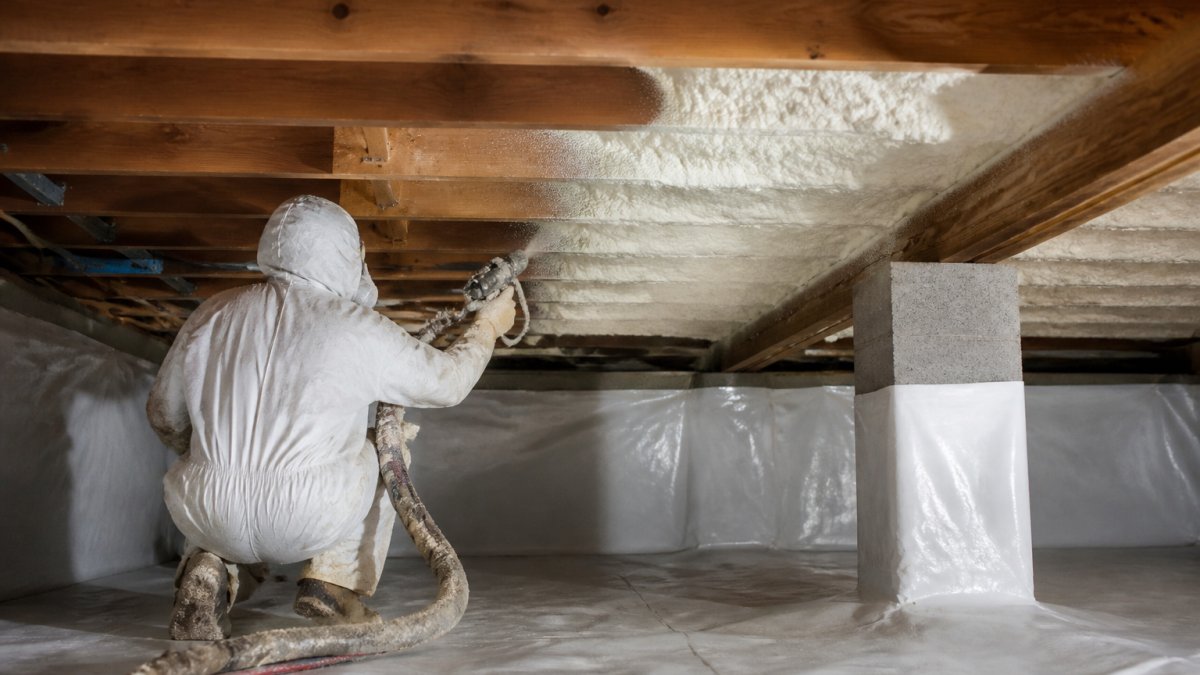
Closed-cell spray foam has become the standard for crawlspace insulation in Liberty, KY and surrounding areas. Applied directly to rim joists and band boards, it seals air leaks, resists moisture, and prevents mold. Some crawlspaces benefit from a combination approach: closed-cell foam on the rim joist plus a vapor barrier on the crawlspace floor to manage ground moisture.
Crawl space insulation moisture control also involves addressing water intrusion. If your crawlspace floods seasonally or shows standing water, insulation alone won't solve the problem. Sump pumps, drainage systems, or grading improvements may be necessary before insulation is installed. Once the moisture source is controlled, moisture resistant insulation ensures long-term durability and thermal performance.
Moisture problems don't resolve themselves, and they compound over time. High humidity, mold growth, and structural decay all accelerate when insulation absorbs and holds water. ThermTech Solutions specializes in moisture resistant insulation solutions, from closed-cell spray foam to properly installed vapor barriers, that protect your home's structure and keep your energy bills manageable.
If you're experiencing moisture issues in your attic, crawlspace, or walls, or if you're planning a renovation and want to avoid future problems, contact ThermTech Solutions for a transparent quote and professional assessment. Our certified team serves Liberty, KY and the surrounding counties with honest pricing.
Frequently Asked Questions
What are the benefits of moisture-resistant insulation?
Moisture-resistant insulation prevents water absorption, which keeps your insulation working at full thermal performance even in damp conditions. It stops mold and mildew from growing inside walls and attics, protects your home's structural integrity by preventing wood rot, and maintains consistent energy efficiency year-round. This means lower energy bills, better indoor air quality, and a home that stays dry and comfortable.
Can mold grow in insulation when it gets wet?
Yes, mold thrives in wet insulation because standard materials absorb moisture and create ideal conditions for growth. Moisture-resistant insulation resists water absorption, which prevents the dampness mold needs to spread. If standard insulation gets wet, mold can develop within 24 to 48 hours. That's why moisture-resistant options are critical in crawl spaces, basements, and other areas prone to humidity or leaks.
Should I put a vapor barrier over my insulation?
A vapor barrier over insulation helps control moisture movement through your walls and attic assemblies. The placement and type depend on your climate and wall design. In cold climates, the barrier typically goes on the warm side of the insulation to stop warm, moist air from condensing inside the wall. In humid climates, placement differs. Moisture-resistant insulation works alongside vapor barriers to provide comprehensive moisture management and prevent water damage and mold.
Which insulation materials resist moisture best?
Closed-cell spray foam and polyiso boards have the lowest water absorption rates and highest moisture resistance. Fiberglass and cellulose absorb water more readily unless treated. Closed-cell foam's dense structure blocks water penetration and provides an air seal, making it ideal for wet environments. For crawl spaces and damp areas, closed-cell spray foam or moisture-resistant foam boards outperform standard batts or blown cellulose in resisting water and preventing mold growth.