 How-to
How Do You Fix Uneven Room Temperatures?
Last Updated: November 19, 2026
Quick Summary
To fix uneven room temperatures, start by measuring each room with a digital thermometer, then address the most common causes: dirty filters, blocked vents, duct leaks, bad thermostat placement, and weak insulation. Balance airflow by opening every vent and branch damper fully, then partly close dampers feeding rooms that overheat while leaving cold rooms wide open.
- Take a digital thermometer reading in each room after the system has run at least 15 minutes.
- Replace a clogged filter, since it chokes airflow and distant rooms get the least air.
- Run the fan continuously for 20 minutes to stabilize air pressure before taking baseline readings.
- Never close more than a couple of vents or dampers at once, as this raises static pressure.
- Call a professional if rooms stay uneven after filter, vent, and damper fixes.
Table of Contents
- Start With a Room-by-Room Temperature Reading
- The Most Common Causes of Uneven Room Temperatures
- Balancing Air Vents for Even Airflow
- When Room Sensors and HVAC Zoning Systems Make Sense
- Insulation for Temperature Control: The Building Envelope
- Seasonal and Room-Specific Troubleshooting
- When to Call a Professional
- Book a Diagnostic Visit With ThermTech Solutions
- Frequently Asked Questions
Start With a Room-by-Room Temperature Reading
You cannot fix uneven room temperatures until you know how uneven they really are. The best place to start is measuring first, not guessing. Grab a digital thermometer and take a reading in each room after the system has run for at least 15 minutes.
Write the numbers down. Note the time of day and whether the sun was hitting that side of the house. Repeat the test in the evening.
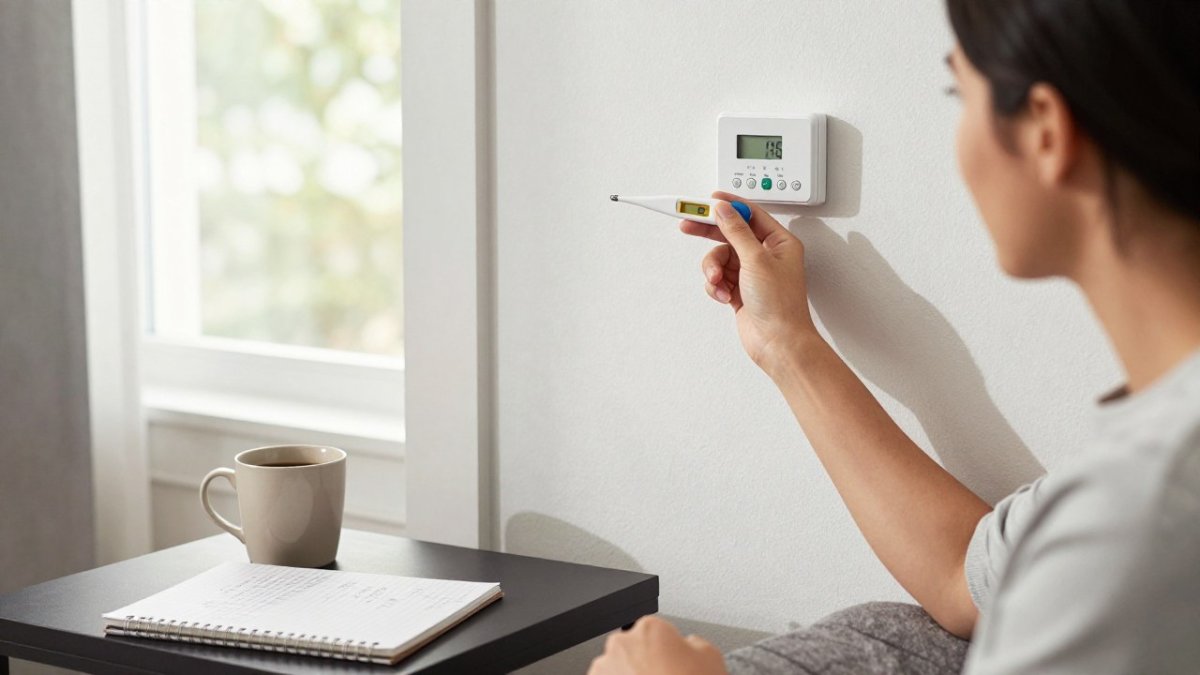
What Counts as a Normal Room-to-Room Difference
A small gap is normal. Most homes settle within a few degrees from room to room. If one bedroom runs much warmer than the hallway, or the upstairs stays cold while the downstairs bakes, you have a real hot and cold spot problem worth chasing.
The pattern matters more than any single number. Note which rooms are affected, when they drift, and whether the gap grows on hot afternoons or cold nights.
The Most Common Causes of Uneven Room Temperatures
The usual culprits are airflow, thermostat placement, and weak insulation. Uneven room temperatures usually trace back to one of those three, and the order below is the cheapest to check first.
Airflow Problems: Filters, Vents, and Ductwork
A dirty filter is the easiest fix on this list. A clogged filter chokes airflow, so distant rooms get the least air. Replace it, then check every supply vent and return vent for furniture, rugs, or drapes blocking them.
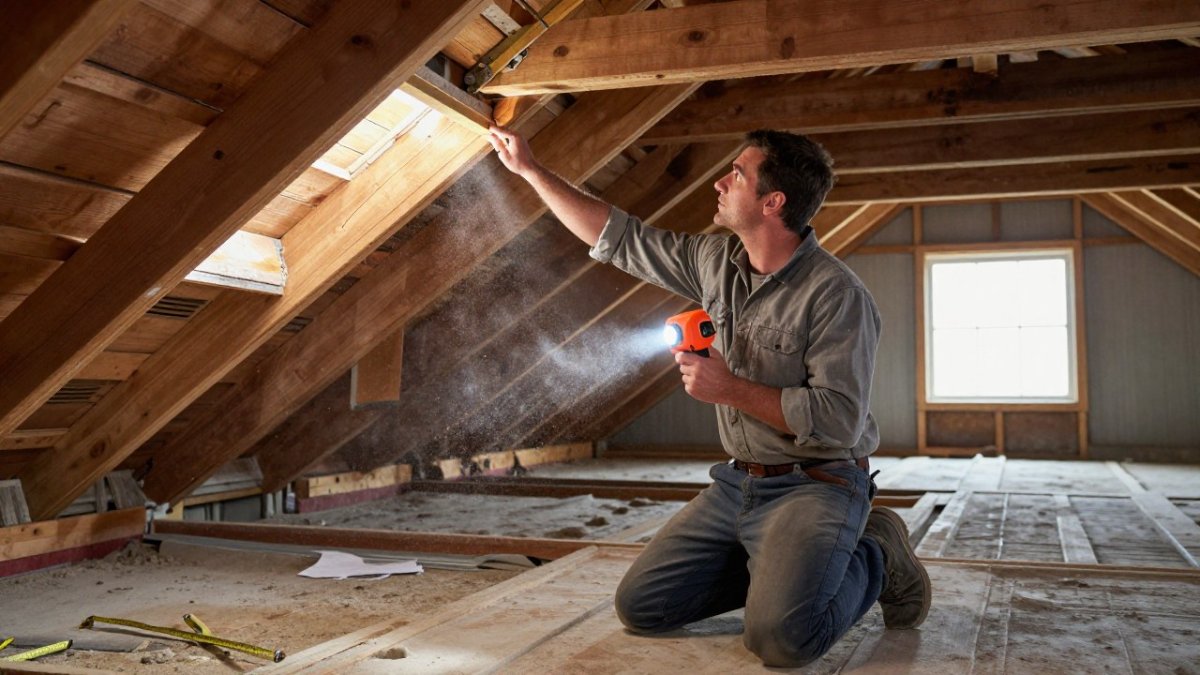
Next, look at ductwork. Duct leaks and blocked ducts bleed conditioned air into attics and crawlspaces before it reaches a room. That wastes energy and starves the far end of the house.
If you suspect leaks around outlets, windows, or the top plate, our team can seal the gaps with air seal air barrier work that stops drafts at the source.
Thermostat Location and Sensing Limits
Your thermostat only knows the temperature at the wall it hangs on. Put it near a sunny window, a lamp, or a supply vent and it reads false. It will keep running the heating or cooling cycle long after the rest of the house is comfortable.
Keep heat sources away from the thermostat. If it sits in a bad spot, a smart thermostat with remote room sensors can address the sensing problem.
Uneven room temperatures usually trace back to one of three causes, listed here from cheapest to check first.
| Cause | What goes wrong | Fix |
|---|---|---|
| Dirty air filter | Chokes airflow, so distant rooms get the least air | Replace the filter |
| Blocked vents | Furniture, rugs, or drapes block supply and return vents | Clear every vent |
| Duct leaks and blocked ducts | Conditioned air bleeds into attics and crawlspaces | Seal the gaps |
| Bad thermostat location | Reads false near a sunny window, lamp, or supply vent | Move heat sources away or add room sensors |
| Weak insulation | Heat flows through walls, attic, and floor | Install attic and wall insulation |
Balancing Air Vents for Even Airflow
Balancing air vents for even airflow means adjusting duct dampers so each room gets its share of conditioned air. Most homes have two kinds of dampers: a main damper near the air handler or furnace that controls the whole system, and branch dampers on individual duct runs that feed specific rooms. You want to work with the branch dampers first and leave the main damper alone unless a technician tells you otherwise.
Before you touch anything, write down your starting point. Note which vents are fully open, which are partly closed, and where each branch damper sits. A smartphone photo of each damper handle saves you from losing track.
A simple order that works:
- Open every supply vent and branch damper fully.
- Replace the air filter if it is dirty, then run the fan continuously for 20 minutes to stabilize air pressure.
- Take a baseline reading in each room with a digital thermometer after the system has run a full cycle.
- Partly close the branch dampers feeding rooms that overheat, moving the handle in small increments rather than slamming it shut.
- Leave far rooms and rooms that run cold wide open.
- Wait a full heating or cooling cycle, then recheck readings before making another adjustment.
Make one change per cycle. Stacking adjustments before the system stabilizes makes it impossible to know which change helped.
Watch out: never close more than a couple of vents or dampers at once. Shutting too many raises static pressure in the ducts, strains the blower, and can make the whole system less efficient. If your system was designed for a set airflow, closing vents fights it, and on some systems it can trip a high-limit switch or shorten equipment life.
If a branch damper will not move, do not force it. Stuck or broken dampers are common in older ductwork, and a technician can free or replace them without damaging the duct. If you cannot find any dampers, your system may rely on a single main damper or may not be zoned at all, which is a sign that balancing should be handled by a pro.
When Room Sensors and HVAC Zoning Systems Make Sense
HVAC zoning systems solve what dampers cannot: they split the house into separate zones, each with its own thermostat and damper. One zone can call for heat while another stays off.
Room sensors paired with a smart thermostat are the lighter option. They let the system read the temperature where people actually sit, not at the hallway wall. Both approaches help when a single thermostat keeps one floor comfortable and the other miserable.
Zoning typically requires professional design and installation. Sensors are often a simpler first step.
Insulation for Temperature Control: The Building Envelope
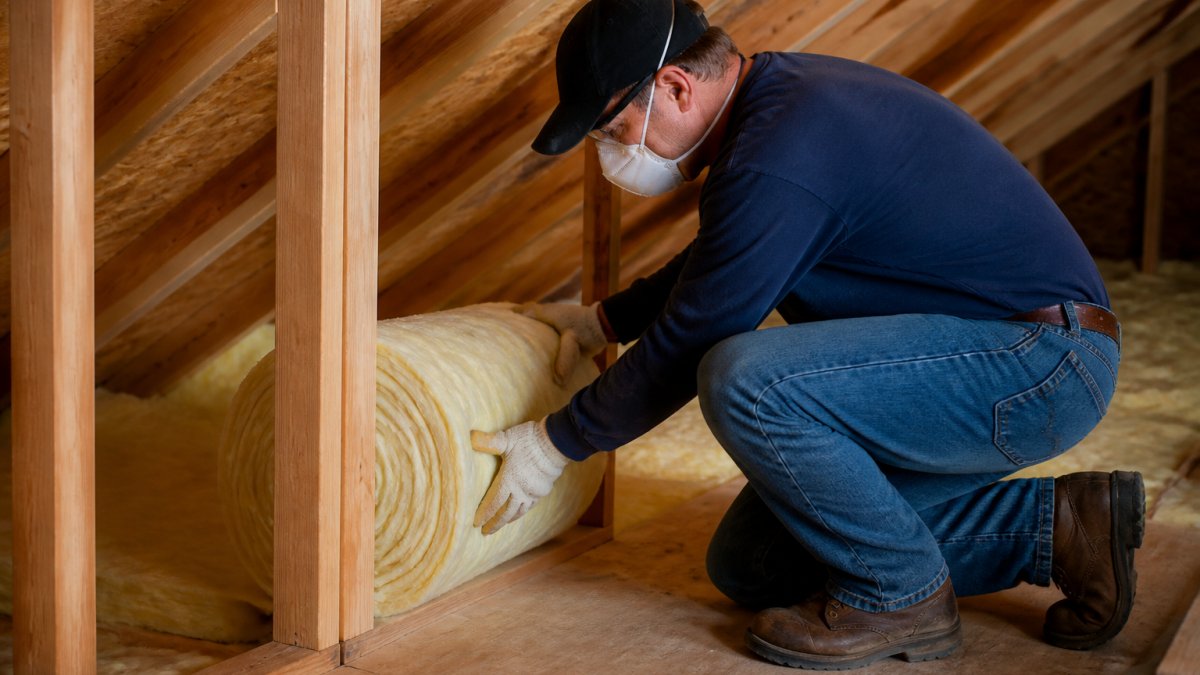
Insulation for temperature control is about slowing heat flow through the walls, attic, and floor. Weak insulation lets summer heat pour in through the attic and winter warmth leak out, so rooms near the exterior drift first.
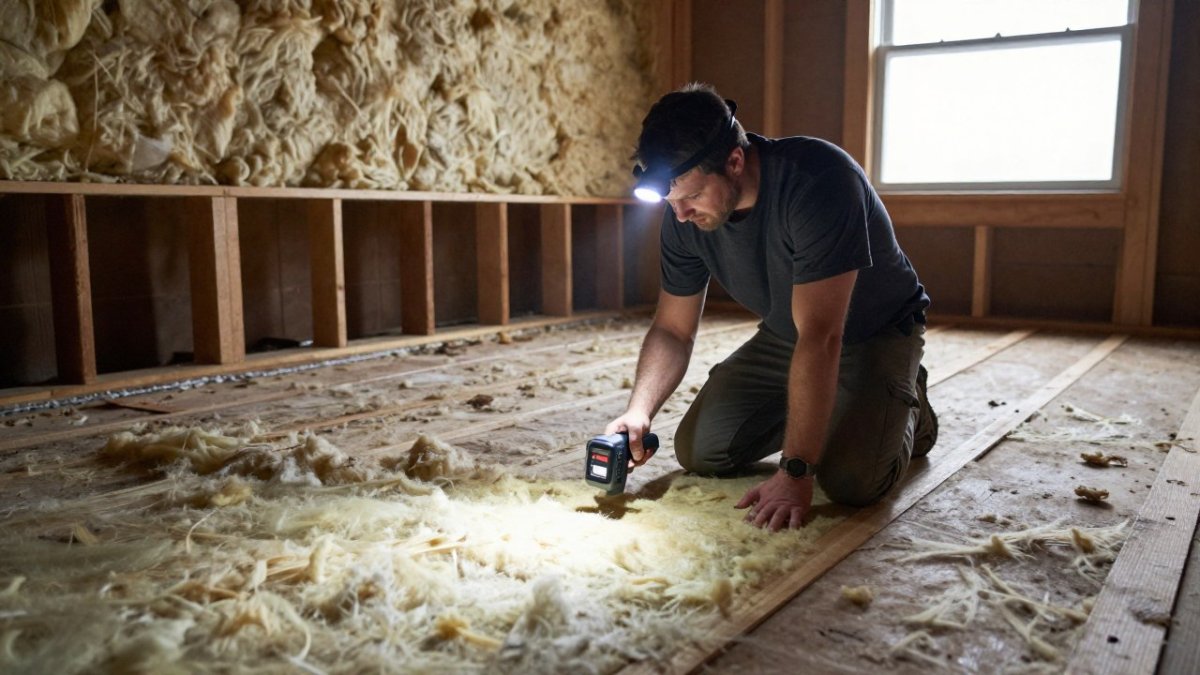
Check the attic first. Old, compressed insulation loses its ability to hold heat back. Air leaks around windows and doors add drafts on top of that.
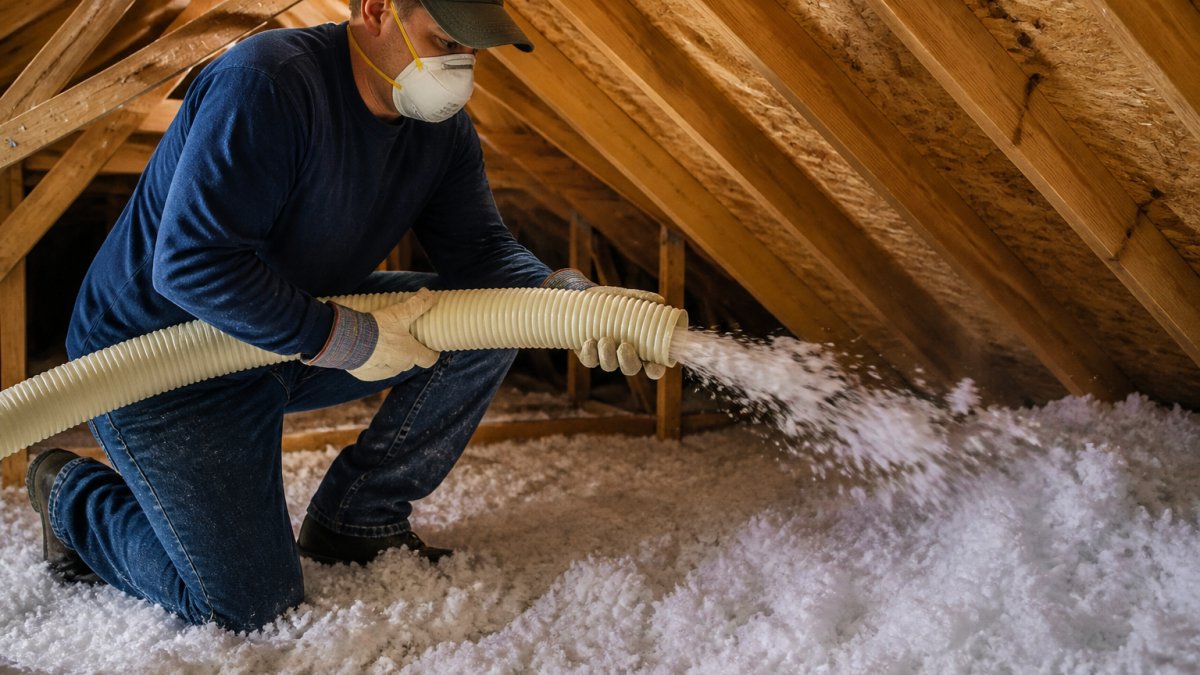
We install attic insulation and wall insulation to close those gaps, and our guide on why professional insulation installation pays off walks through the payoff. Spray foam and blown cellulose both work well here, and the right choice depends on your home.
Seasonal and Room-Specific Troubleshooting
Uneven temperatures look different in summer and winter, and the fix depends on which season is causing the symptom. Treating every hot or cold spot the same way wastes time and money.
In summer, the usual pattern is a room that bakes in the afternoon while the rest of the house stays comfortable. West- and south-facing rooms pick up solar gain through windows, and upstairs rooms sit under a hot attic. Close blinds or shades during peak sun, run ceiling fans counterclockwise to push air down, and check that the attic has adequate ventilation. If only the upstairs struggles on hot afternoons, the issue is often solar gain and attic heat rather than a duct problem.
In winter, the pattern flips. Rooms above garages, crawlspaces, or unheated porches run cold because the floor below them is uninsulated. Basements stay cold because cold air settles and the walls lose heat to the ground. Check for drafts at outlets, window frames, and the sill plate, and confirm that supply vents in those rooms are open and unobstructed. A room that is cold only on windy nights points to air leakage rather than an HVAC problem.
Room occupancy and furniture obstruction matter too. A couch shoved over a return vent smothers airflow, and a closed door on a bedroom with no return path pressurizes the room and starves it of supply air. Leave doors cracked or install a return-air path, rearrange furniture, then measure again.
Track the pattern for a week before you call anyone. Note which rooms drift, whether the gap grows on hot afternoons or cold nights, and whether the problem follows the sun or the wind. That record tells a technician more than any single reading and helps you avoid paying for a repair that does not address the real cause.
When to Call a Professional
Call a professional when the simple fixes fail or the pattern points to a system problem. If your HVAC equipment is undersized, oversized, or poorly designed for the house, no amount of vent tweaking will fix it.
Signs it is time for an inspection:
- Rooms stay uneven after filter, vent, and damper fixes
- You hear whistling or feel weak airflow at many vents
- Energy bills climb while comfort drops
- Ductwork runs through an unconditioned attic or crawlspace
A trained tech can measure static pressure, find duct leaks, and check system capacity. That beats guessing.
Book a Diagnostic Visit With ThermTech Solutions
Uneven room temperatures usually come down to airflow, the thermostat, or the building envelope. You can test the first two yourself this weekend. The third takes a trained eye and the right materials.
ThermTech Solutions offers same-day solutions, straightforward quotes, and a certified team. We handle crawlspace, wall, and attic insulation, spray foam (open and closed cell), and cellulose blown insulation for residential and commercial properties in Liberty, KY and the surrounding areas.
Get started with ThermTech Solutions and contact us to book a diagnostic visit so we can find the real cause and fix it for good.
Frequently Asked Questions
Is a 3-degree temperature difference between floors normal?
A small gap is common in two-story homes, but 3 degrees Fahrenheit or more between floors usually points to a real air distribution problem. Warm air rises, and upper floors often get more sun exposure, so some variance is expected. Measure with a digital thermometer at the same time of day before deciding. If the gap holds steady across heating and cooling cycles, check supply vents, return airflow, and duct dampers before assuming the system is undersized.
Can poor insulation cause uneven room temperatures?
Yes. Missing or compressed insulation in attics, walls, and crawlspaces lets heat move through the building envelope unevenly, so rooms above a cold garage or under a sun-baked roof drift from the rest of the house. Insulation for temperature control works alongside air sealing to slow that transfer. A professional inspection can show whether the envelope or the ductwork is the bigger culprit before you spend money on either.
How do I know if my HVAC system is the cause of inconsistent temperatures?
Check the simple items first: a dirty filter, closed registers, or furniture blocking supply vents. If those are clear and one room still lags, the issue is likely ductwork leaks, blocked ducts, or a damper set wrong. A technician can measure static pressure and airflow at each register to confirm whether the system is delivering enough air to every room or whether the layout itself is the limit.
What are the most effective DIY ways to balance home temperatures?
Start by replacing a dirty filter and opening every supply and return vent. Then try balancing air vents for even airflow by partially closing dampers in the rooms that run hot so more air reaches the cold ones. Keep interior doors open, run the fan setting on low to circulate air, and check for drafts around windows. If hot and cold spots persist after these steps, the next move is a professional airflow and insulation assessment.