 How-to
How to Reduce Monthly Utility Bills: 7 Steps That Work
Table of Contents
- Start With Your Utility Bill: Where Your Money Actually Goes
- Why Is My Electric Bill So High? The Biggest Energy Hogs at Home
- Ways to Save Energy at Home Without Spending a Fortune
- How to Lower Your Electric Bill With Smarter Appliance and Water Use
- Home Insulation to Lower Energy Bills: Sealing Drafts and Adding Attic Insulation
- A Prioritized Plan for Renters, Homeowners, and Tight Budgets
- Frequently Asked Questions
Last Updated: October 14, 2026
Start With Your Utility Bill: Where Your Money Actually Goes
You cannot reduce monthly utility bills until you know where the money goes. At ThermTech Solutions, we tell every customer: read the bill first.
Your utility bill records how much energy and water your home used and the rate you paid, broken into four charges:
- Supply charges: what you pay for electricity or gas itself
- Delivery charges: what you pay to move it to your home
- Usage: measured in kilowatt-hours (kWh) for power, therms for gas, gallons for water
How to Read Your Electric, Gas, and Water Bills
Electric bills show kWh used and your rate plan. Gas bills show therms. Water bills show gallons or cubic feet, often split into water, sewer, and trash. The U.S. Department of Energy's energy bill guide explains each line and how rates are set.
Look for your rate type. Fixed-rate plans charge the same per kWh all day; variable-rate plans change with the market; time-of-use rates charge more during peak hours.
Track Usage Month Over Month to Spot Waste
Write down your kWh, therms, and gallons monthly, and compare the same month year over year, weather swings make month-to-month comparisons useless.
A sudden jump with no weather change usually means a leak, a failing appliance, or a billing error. A slow climb over years points to worn insulation or an aging water heater.
Why Is My Electric Bill So High? The Biggest Energy Hogs at Home
Heating and cooling usually cause the highest electric bills, followed by water heating, then appliances and lighting. In most homes, space conditioning alone drives more than half of energy use, according to the U.S. Energy Information Administration's residential energy survey.
The usual suspects:
- Air conditioning and heating: the single largest draw
- Water heater: runs year-round, often the second biggest
- Refrigerator: runs 24 hours a day
Older appliances cost more to run, a fridge from 2005 uses far more power than a modern efficient model. Target the biggest draws first.
Ways to Save Energy at Home Without Spending a Fortune
Most advice on this topic is a flat list, which is not useful when you have a Saturday afternoon and a tight budget. What follows is the same set of no- and low-cost moves, sorted by cost in time and money and roughly how much they move the needle. Treat the ranges as directional, your climate, home age, and utility rates decide the real number.
Free habit changes (zero dollars, immediate effect)
These cost nothing and show up on the next bill:
- Adjust your thermostat. The U.S. Department of Energy's thermostat guidance recommends 68°F while you are home and awake in winter, and lower, around 60°F, when you sleep or are away. In summer, aim for 78°F when home. Each degree of setback over an eight-hour stretch typically trims a few percent off heating or cooling costs. A programmable or smart thermostat automates this so you stop thinking about it.
- Turn off lights in empty rooms. This is small per bulb but free.
- Unplug idle electronics or flip the power strip off. Standby draw from TVs, chargers, game consoles, and set-top boxes, the "phantom load", is continuous; grouping them on switched power strips makes it a one-second habit.
Low-cost fixes (under about $50, one afternoon)
These require a small purchase but pay back quickly:
- LED bulbs. LEDs use a fraction of the power of incandescent bulbs and last years longer. Swap them room by room as old bulbs burn out. CFLs are cheaper upfront but take a moment to reach full brightness and contain mercury, so disposal matters.
- Weather-stripping and door sweeps. Sealing gaps around exterior doors and windows is one of the cheapest ways to cut heating and cooling losses, a few dollars each.
- Caulk and spray foam. Seal cracks where building materials meet and around pipes and wires entering walls.
Where the money actually goes
Before you spend anything, know your biggest draw. In most homes, space conditioning (heating and cooling) is the single largest energy cost, followed by water heating, then appliances and lighting, according to the U.S. Energy Information Administration's residential energy survey. That ordering tells you where to aim:
- If heating and cooling dominate, thermostat setbacks and air sealing beat swapping light bulbs.
- If water heating is high, shorter showers, low-flow fixtures, and a water-heater blanket matter more than LED swaps.
- If appliances dominate, full loads, air-drying, and eventually replacing the oldest unit win.
Adjust Your Thermostat and Cut Heating and Cooling Costs
Set your thermostat to 68°F when you are home in winter and lower it when you sleep or leave; in summer, aim for 78°F. A programmable or smart thermostat does this automatically. Do not crank the thermostat to heat or cool faster, it just runs longer and costs more.
Switch to LED Bulbs and Unplug Idle Electronics
LED bulbs use a fraction of the power of old incandescent bulbs and last years longer; swap them room by room. Standby power is the silent cost, electronics draw electricity even when switched off. Group them on power strips and cut the strip when you leave the room to trim your electric bill each month.
How to Lower Your Electric Bill With Smarter Appliance and Water Use
Appliances and hot water are where habits meet hardware. You can lower your electric bill by changing how you run what you already own.
Run Full Loads and Air-Dry Clothes
Wait until the dishwasher and washing machine are full, a half-full load uses nearly the same energy and water as a full one. The dryer is the biggest appliance cost after heating and cooling, so air-dry whenever weather allows. When you must use it, clean the lint trap and dry full loads back to back to reuse the heat.
Shorter Showers, Low-Flow Showerheads, and Fixing Water Leaks
Heating water is expensive. Shorter showers cut both water and the energy used to heat it, and a low-flow showerhead reduces flow without killing pressure. Fix leaks fast, a dripping faucet or running toilet wastes water every hour and shows up on both your water and energy bills.
Home Insulation to Lower Energy Bills: Sealing Drafts and Adding Attic Insulation
Home insulation to lower energy bills works by slowing heat movement in and out of your home. Air sealing stops drafts. Insulation slows conduction.
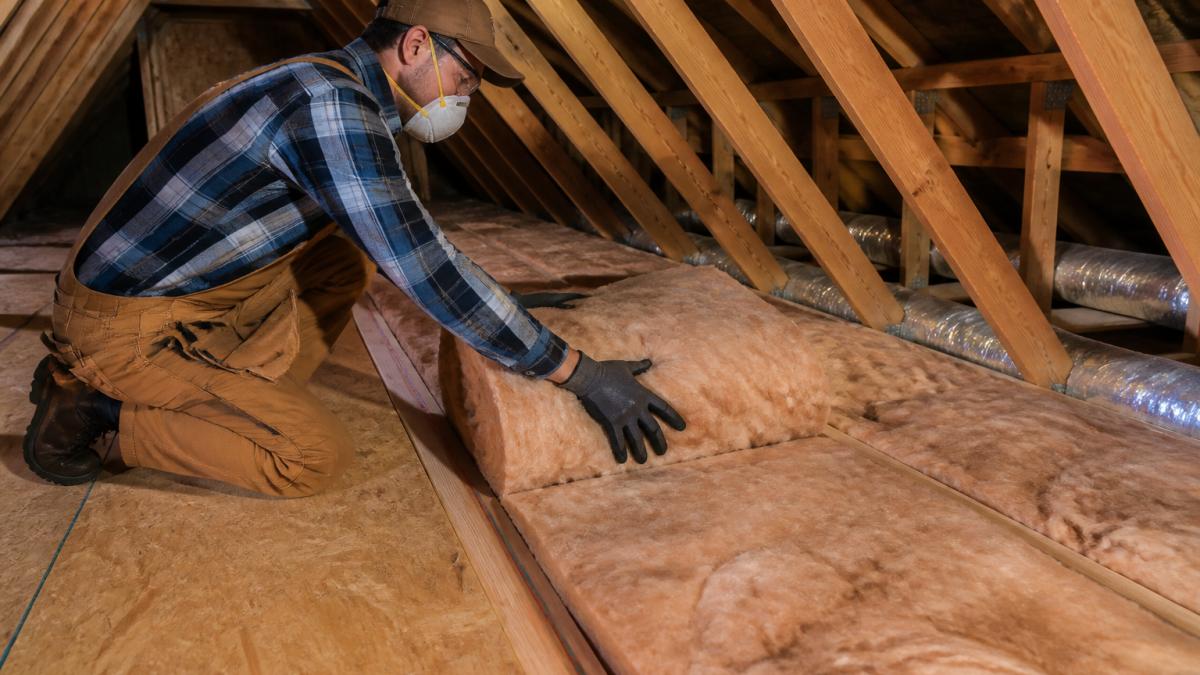
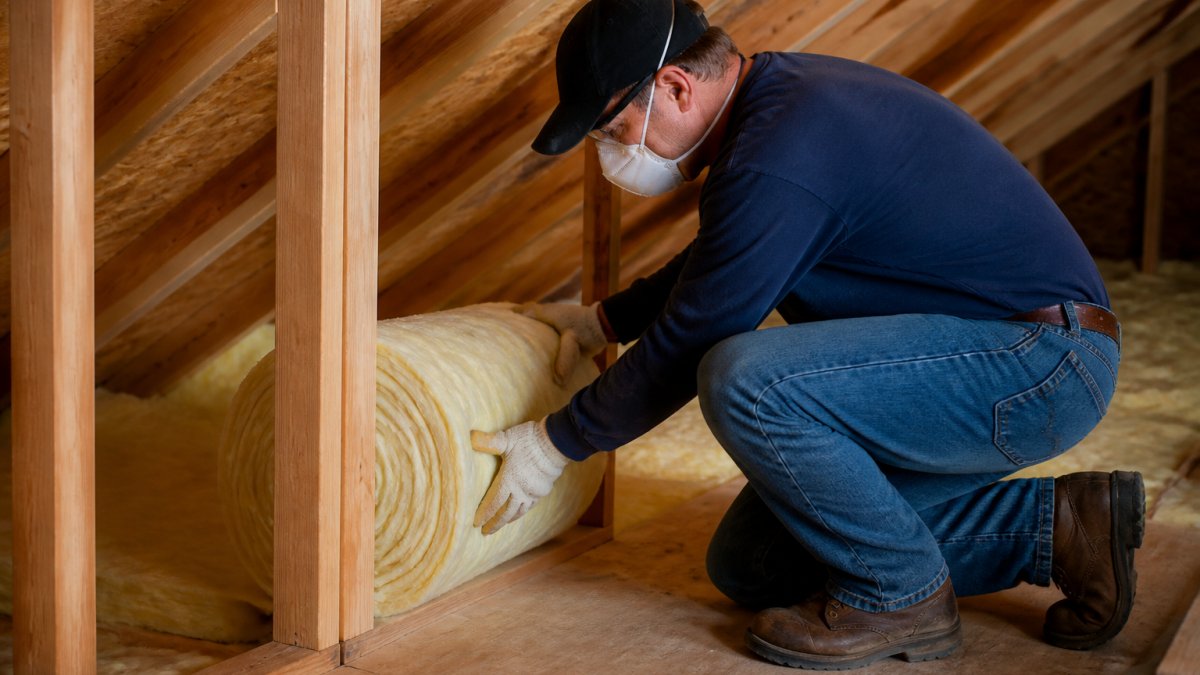
The U.S. Department of Energy's insulation guidance notes that air sealing and insulation are among the most cost-effective upgrades a homeowner can make. Attics and crawlspaces are the usual weak points.
Weather-Stripping, Door Sweeps, and Air Sealing
Weather-stripping seals gaps around movable parts of doors and windows. Door sweeps close the gap under exterior doors. Caulk handles cracks where building materials meet.
Check these spots:
- Gaps around exterior door frames
- The bottom edge of doors
- Window frames and sashes
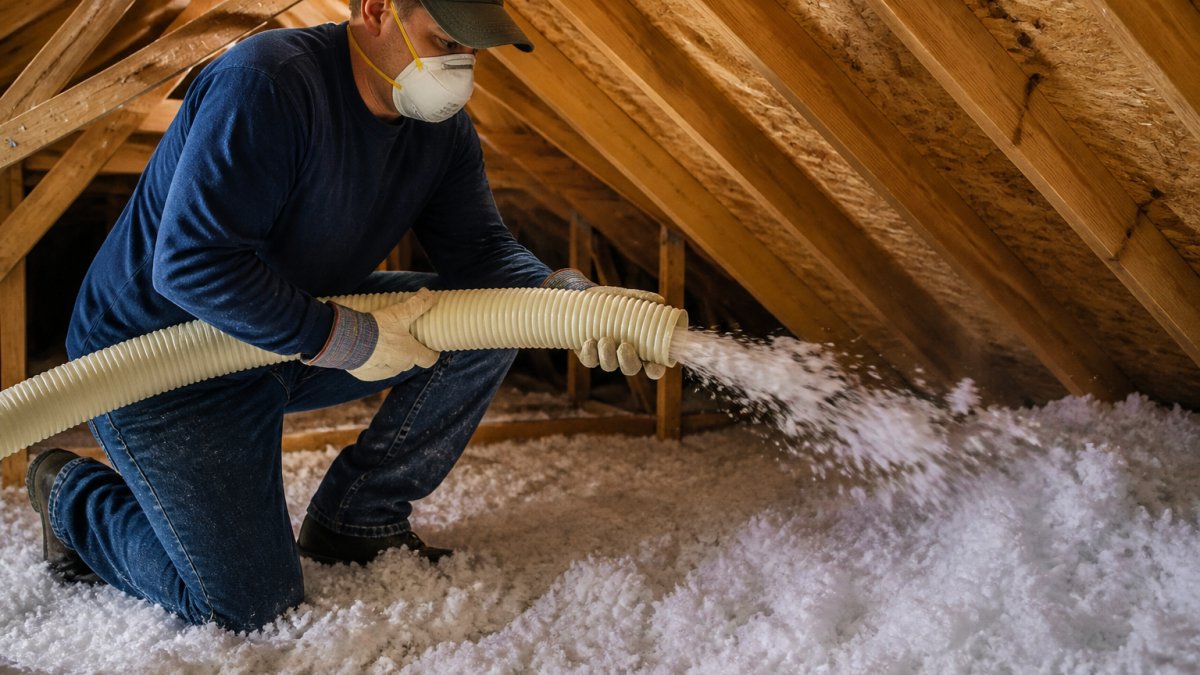
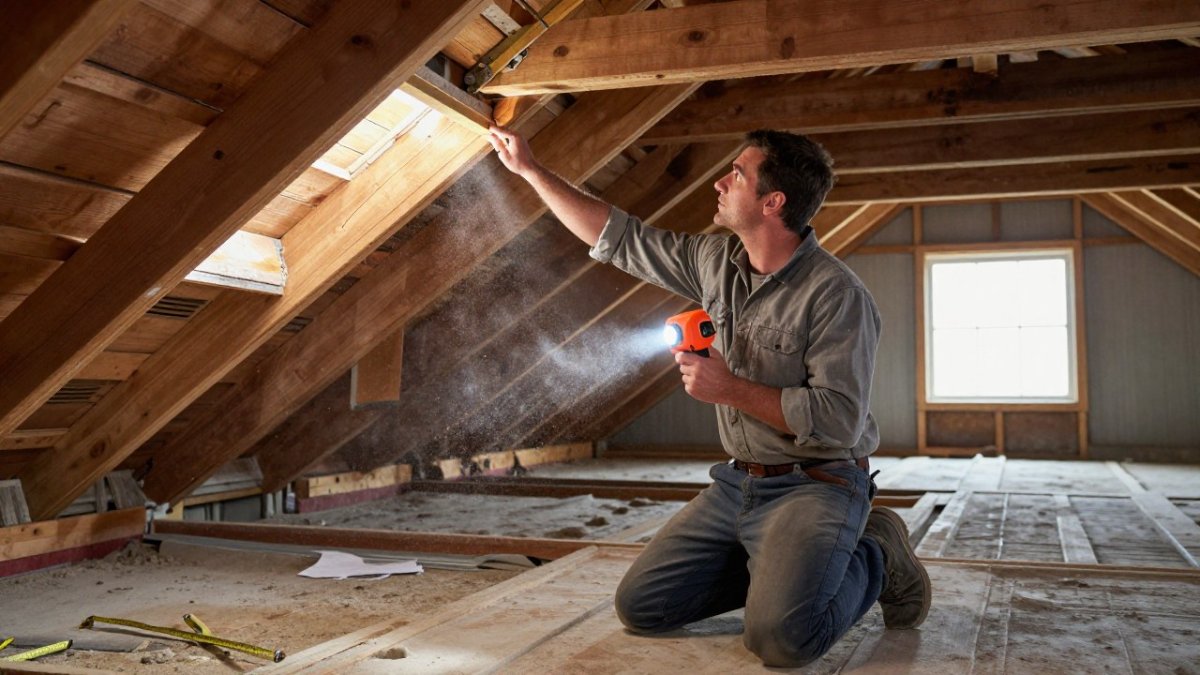
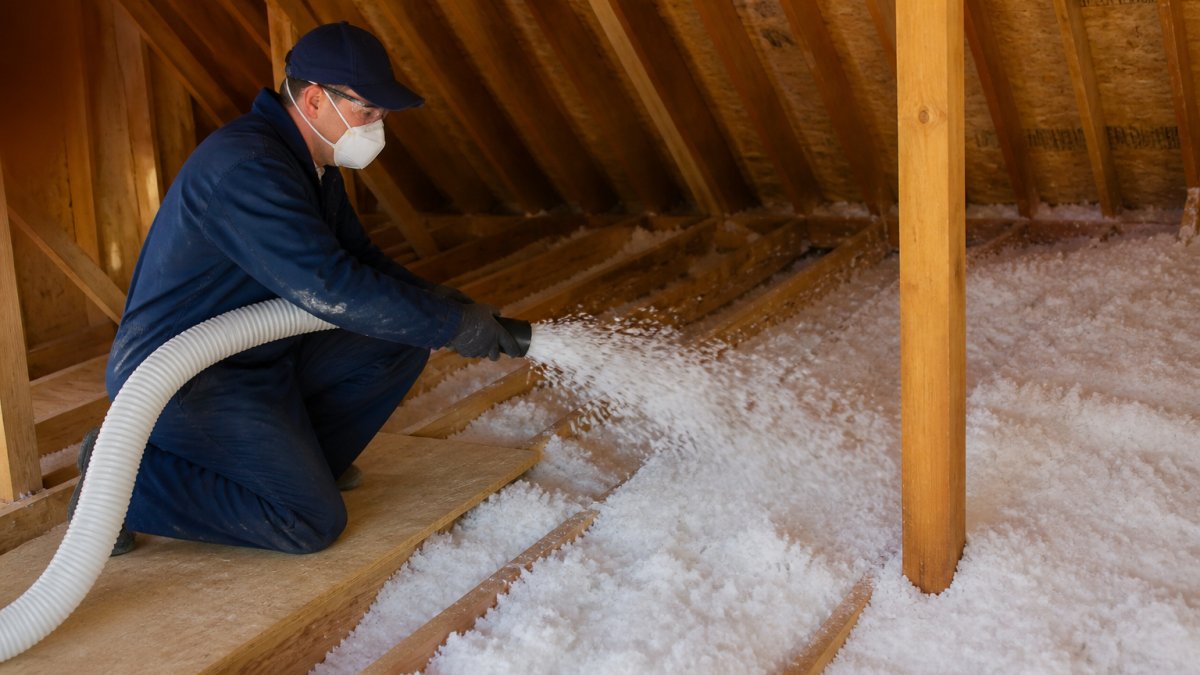
If your attic insulation is old and compressed, or your crawlspace has moisture problems, a professional assessment tells you what is worth fixing first. ThermTech Solutions handles attic, wall, and crawlspace insulation, including sprayfoam and cellulose blown insulation, with straightforward quotes.
A Prioritized Plan for Renters, Homeowners, and Tight Budgets
"Utility bills" is broader than electricity, it includes gas, water, sewer, and trash, each with its own levers. Here is a bill-by-bill plan, then a sequencing framework for what to do first.
Bill-by-bill: what actually moves each one
Electricity. Your biggest levers are heating and cooling (thermostat setbacks, air sealing, attic insulation), water heating (shorter showers, low-flow fixtures, water-heater blanket), and large appliances (full loads, air-drying, replacing the oldest fridge or dryer).
Natural gas. Gas bills are driven by heating, water heating, and cooking, so the same thermostat setbacks and air-sealing moves apply.
Water. Water bills are usually split into water, sewer, and sometimes trash.
Sewer. Sewer charges are often tied to water use, so cutting water cuts sewer too.
Trash. Trash and recycling are usually flat fees, though some utilities charge by bag or cart size.
Sequencing: what to do first
Use this order:
- Read the bill and track usage. You cannot prioritize what you have not measured. Compare the same month year over year, not month to month, weather swings make month-to-month comparisons useless.
- Free habit changes. Thermostat setbacks, full loads, air-drying, shorter showers, unplugging idle electronics. Zero cost, immediate effect.
- Low-cost fixes. LED bulbs, weather-stripping, door sweeps, caulk, low-flow fixtures. Under about $50, one afternoon, fast payback.
- Targeted repairs. Fix leaks, clean or replace furnace filters, tune up the HVAC system.
- Larger investments. Attic and crawlspace insulation, air sealing, replacing the oldest appliance, or a new water heater. These have longer payback periods but the biggest lasting effect.
- Rate and plan review. Compare your utility's rate options, check for time-of-use plans, and, where available, compare retail electricity suppliers.
By situation
| Situation | Best First Move | Why |
|---|---|---|
| Renter | Unplug electronics, LED bulbs, shorter showers, low-flow showerhead | No landlord approval needed; portable and reversible |
| Tight budget | Weather-stripping, door sweeps, caulk, leak fixes | Low cost, fast payback |
| Homeowner | Attic and crawlspace insulation, air sealing | Biggest lasting savings |
| High water bill | Fix leaks, low-flow fixtures, check outdoor watering | Cuts water, sewer, and heating costs |
| High electric bill | Thermostat schedule, full loads, air-dry, rate plan review | Free habit changes plus plan optimization |
| High gas bill | Thermostat setbacks, furnace filter, tune-up | Targets the largest gas draw |
If you are struggling to pay
Conservation only goes so far. If the bill is still unaffordable, ask your utility about budget billing (levelized payments across the year), payment plans, and assistance programs. Many states require utilities to offer payment arrangements and protections before disconnection, and to notify you of assistance options. The federal LIHEAP assistance program helps eligible households cover heating and cooling costs, and many utilities run their own hardship funds.
Season and region matter too. A hot, humid summer shifts the priority to cooling and attic insulation. A cold winter pushes heating and draft sealing to the top.
Frequently Asked Questions
How do I drastically lower my electric bill?
The biggest gains come from three changes: adjusting your thermostat by 7-10 degrees when you are asleep or away, sealing drafts around doors and windows, and upgrading attic insulation if it is old or compressed. Together these can cut heating and cooling costs significantly. Add smaller habits like switching to LED bulbs, unplugging idle chargers, and running full loads in the dishwasher and washing machine. Start with the highest-impact items first, then layer in the low-effort habits.
What runs up your electric bill the most?
Heating and cooling usually account for the largest share of a home's energy use, followed by water heating, then lighting and appliances. Old or compressed attic insulation, leaky ducts, and drafty doors and windows force your HVAC system to run longer than it should. Electronics on standby and incandescent bulbs add smaller but steady amounts. Reading your utility bill month over month helps you see which category is climbing and where to focus first.
How can insulation help lower heating and cooling costs?
Insulation slows the movement of heat through your walls, attic, and crawlspace. In winter it keeps warm air inside; in summer it keeps heat out. When insulation is old, compressed, or missing, your HVAC system works harder to hold the temperature you set. Adding attic or crawlspace insulation, paired with air sealing and weather-stripping, reduces that workload and can lower your monthly bill. A professional energy audit or insulation assessment tells you exactly where the losses are.
What are the easiest ways to reduce water and gas bills?
For water, take shorter showers, install low-flow showerheads, fix dripping faucets, and run the dishwasher and washing machine only with full loads. For gas, lower your water heater temperature, wrap older water heaters with an insulating blanket, and seal drafts around windows and doors so your furnace runs less. These steps cost little or nothing and stack up over a billing cycle. Track each bill separately so you can see which change moved the number.
High utility bills rarely come from one big culprit. They come from a dozen small leaks in your home's energy envelope, and they get worse every year the insulation ages. ThermTech Solutions can find and fix the biggest ones, from same-day crawlspace and attic insulation to sprayfoam and cellulose blown insulation backed by straightforward quotes and a certified team. Get in touch with ThermTech Solutions and start lowering your monthly utility bills this season.